Sabrina Carpenter’s voluminous butterfly cut, Billie Eilish’s shaggy wolf layers, and Selena Gomez’s U-shaped ends are everywhere right now—and they’re not accidents. Stylists are ditching the blunt, one-length thing in favor of precision layering that actually moves. The shift is real: textured, face-framing cuts that look effortlessly tousled but require a stylist who knows what they’re doing.
This guide covers gorgeous summer haircuts for long hair 2026—from the butterfly cut with its voluminous face-framing layers to the long wolf cut’s shaggy, curtain-bang energy to the internal layer cut that removes bulk without sacrificing length. These aren’t generic Pinterest boards; they’re cuts designed for humidity, for pool days, for actually having a life outside the salon chair.
I spent three years chasing blunt ends before my stylist suggested layers, and I’ve been a convert ever since. Turns out the secret to looking like you woke up with perfect hair is admitting you need help getting there.
Long Layered Blonde with Feathered Ends
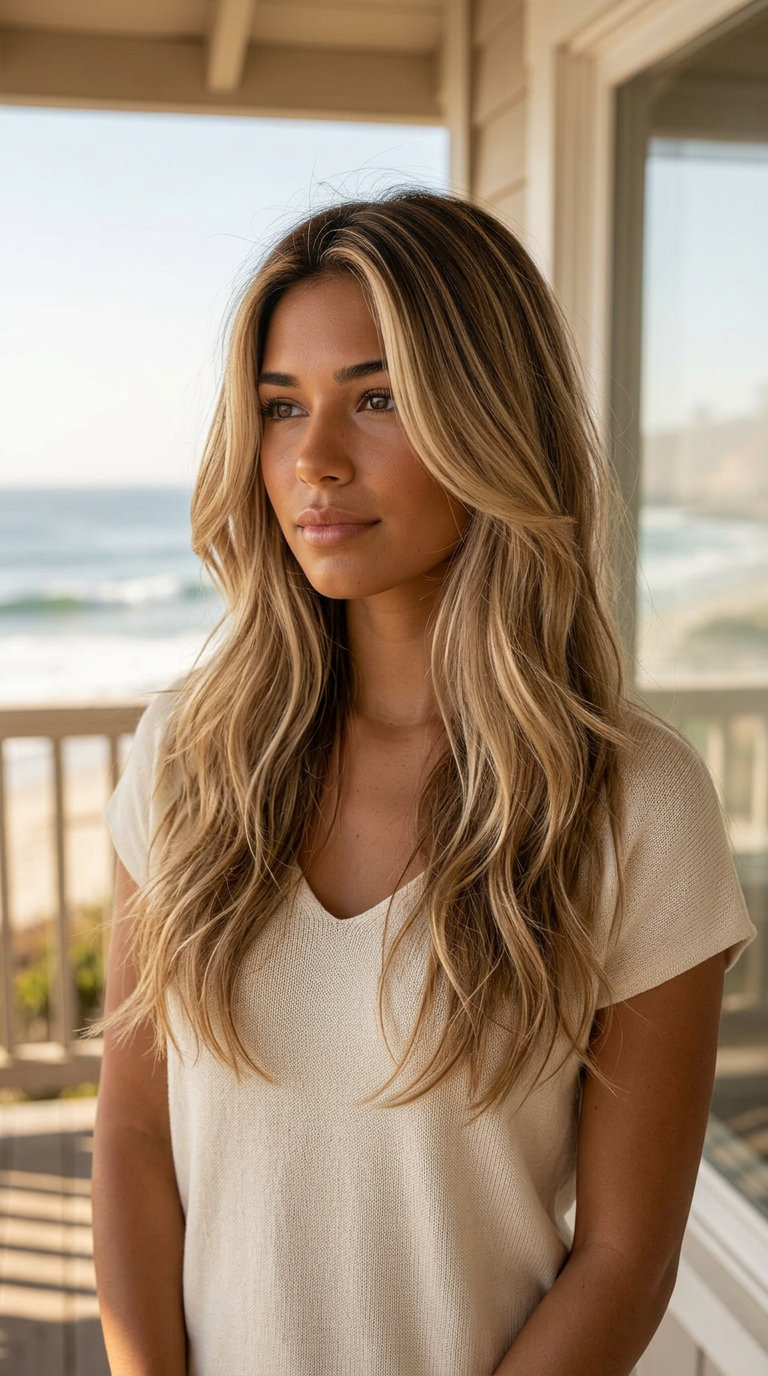
Long layered blonde hair works because the layers do the actual work—not your effort. Point-cutting softens ends, allowing natural wave to form effortlessly and blending layers seamlessly. Feathered ends air-dried into soft waves in 15 minutes with minimal product, which honestly beats the dry-shampoo-and-pray method. Start with a hydrating shampoo and finish with a lightweight texturizing spray; the layers will catch the product and create definition without crunch. Or maybe just a good hair day.
Avoid if very thick or coily hair — layers won’t blend seamlessly. The magic here is that you’re not fighting your natural texture; you’re working with it. Effortless movement.
Rose Gold Ombré with Razored Ends
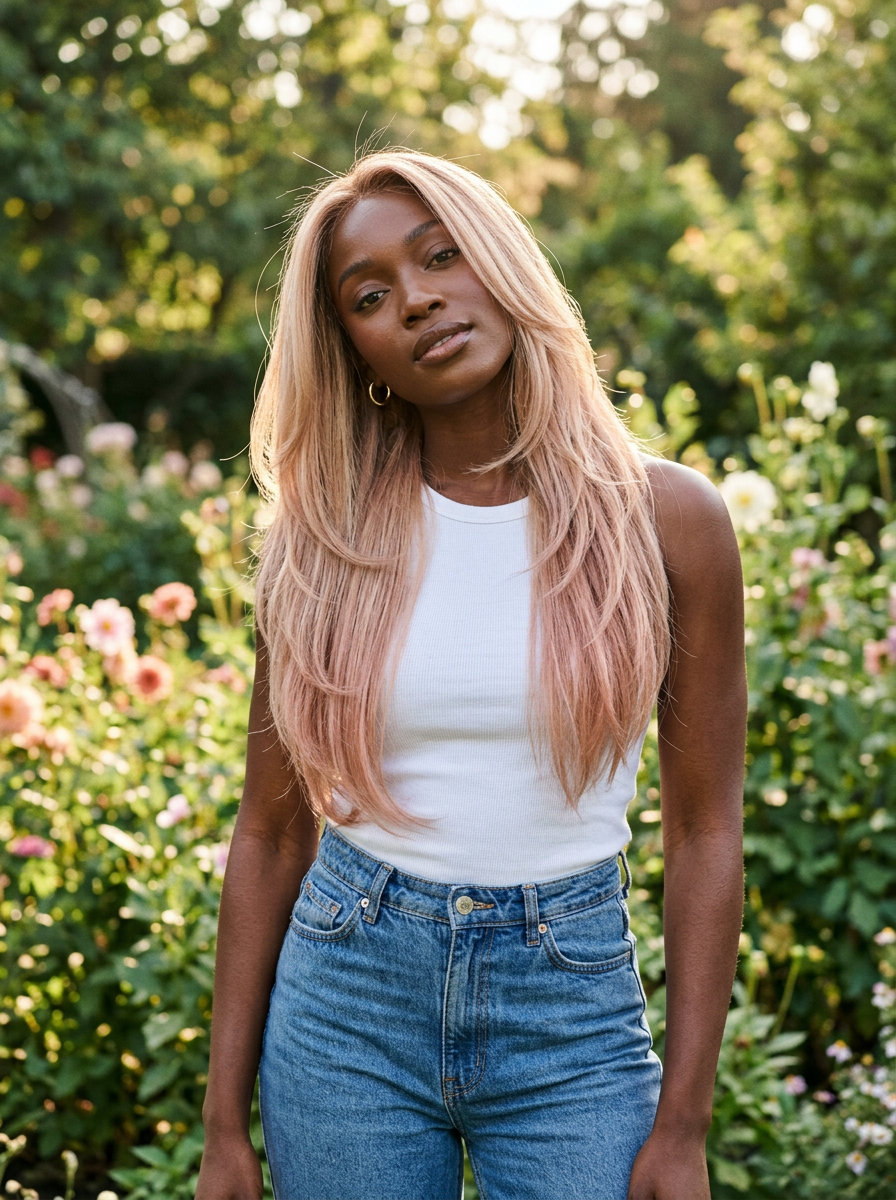
The transition from darker roots to rose gold ombré long hair happens in soft, almost invisible increments—that’s the point. Razoring removes bulk and creates soft, diffused ends that enhance natural movement and color transitions. Razored ends maintained airy feel for 6 weeks before needing a refresh. This cut works because it doesn’t look like it’s trying; the color melts, the ends blend, the whole thing moves like water.
Razoring can cause frizz on fine or damaged hair — ensure healthy strands first. A good protein treatment beforehand prevents that wispy, damaged look that sometimes sneaks in after aggressive razoring. Use a color-depositing conditioner to stretch the rose gold fade an extra two weeks, which is all my fine hair can handle. The ultimate lived-in look.
Quiet Luxury Long Haircut with Invisible Layers
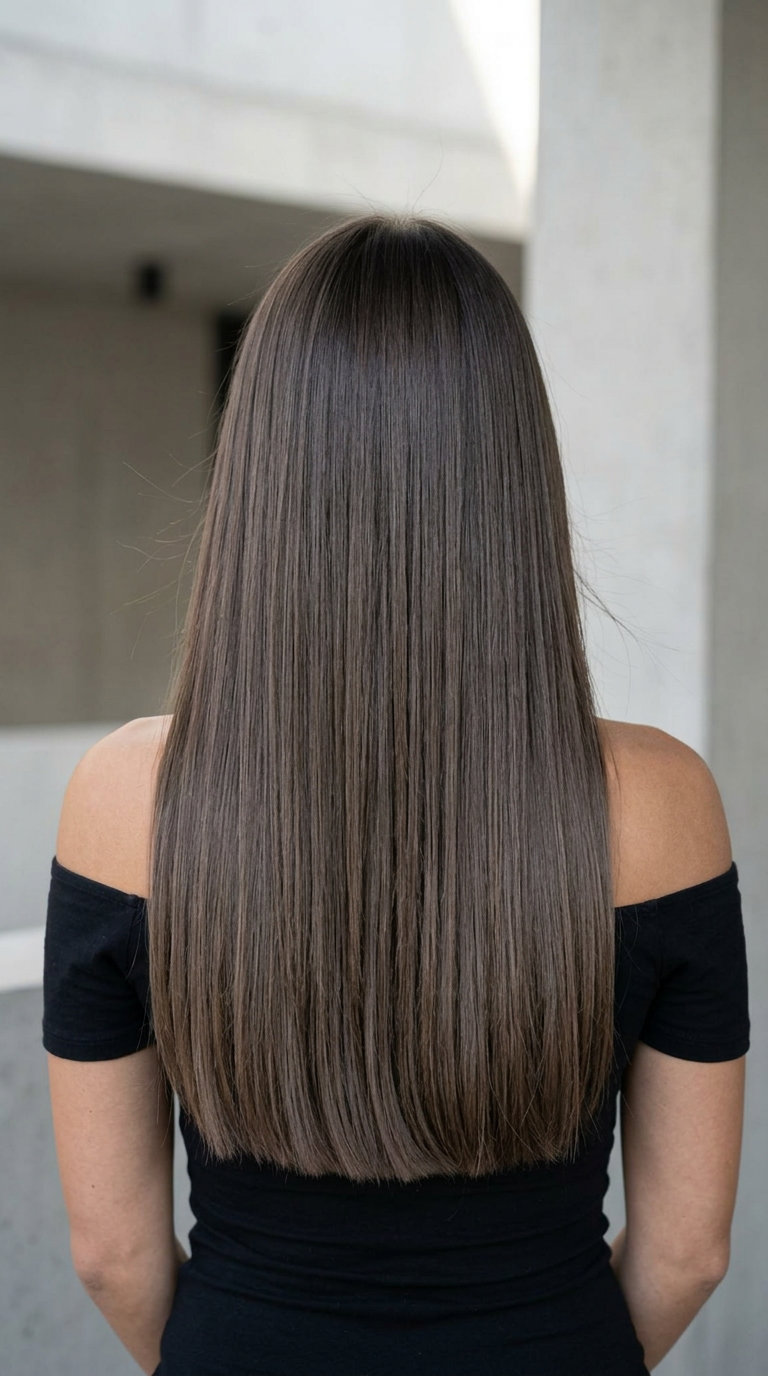
The quiet luxury long haircut trend isn’t about looking expensive—it’s about looking like you don’t need to try. Invisible internal layers remove weight from thick hair, allowing a blunt cut to move fluidly without bulk. Internal layers reduced bulk without compromising the sleek, blunt perimeter. A long, blunt line at the ends creates visual drama while hidden layers prevent that heavy, flat-iron-dependent feeling. Probably worth the consultation at least.
Invisible layers demand an expert stylist; a bad cut ruins the silhouette. Ask your stylist specifically about tapering internal layers—the technique matters more than length here. The silhouette should feel effortless even though the execution absolutely isn’t. Blunt, but make it move.
Linen Blonde with Soft Internal Layers
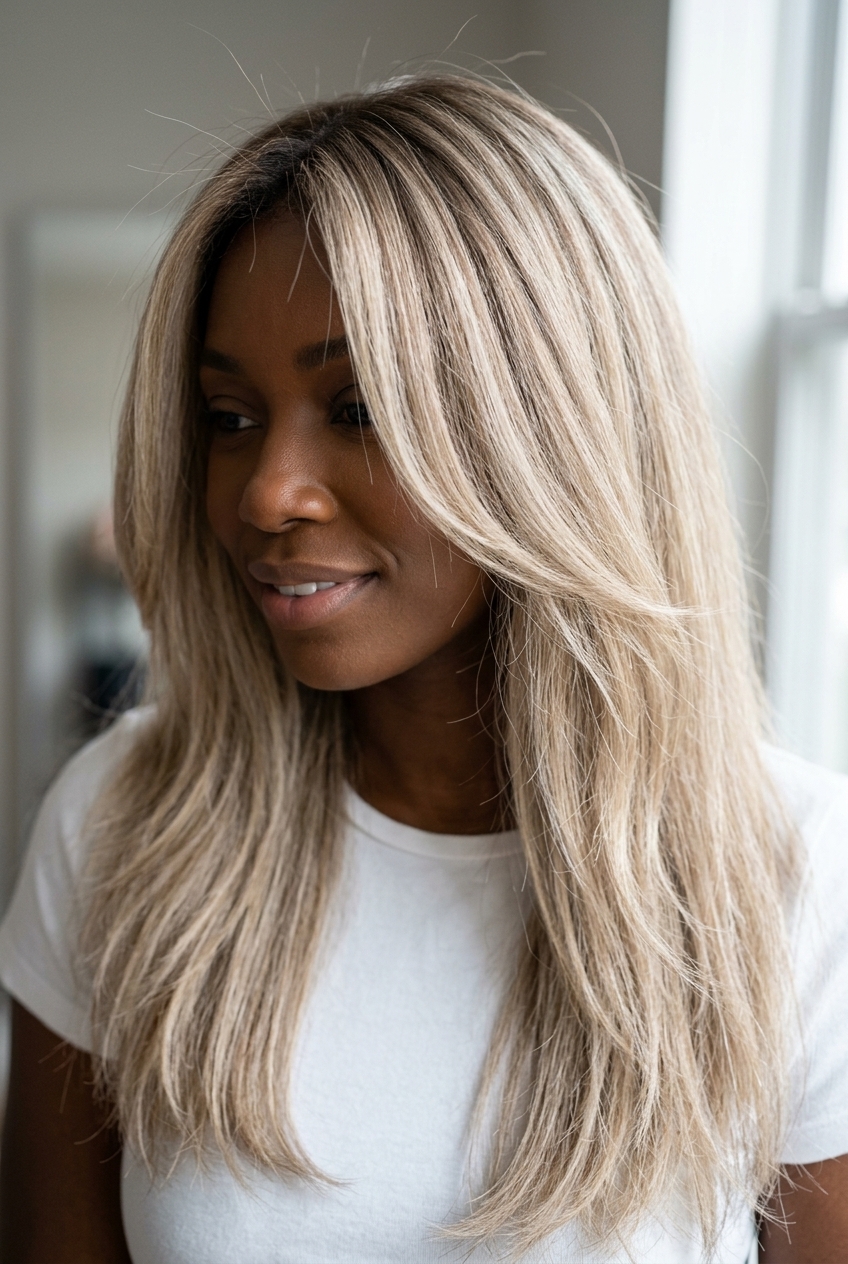
Linen blonde long hair in a soft, internally-layered cut reads as intentional without demanding maintenance rituals. Strategic internal layers remove weight and add volume, allowing a gentle U-shape to enhance natural movement. Internal layers created noticeable volume and movement without visible steps. The color sits pale and warm—almost oatmeal-blonde in diffuse light—while the cut preserves length at the perimeter for that soft, rounded shape. My new go-to.
Not for those wanting a super defined, structured look; this is soft. The entire point is that it feels low-effort while still being very deliberately cut. Pair with a volumizing mousse applied to damp roots and you’ve got movement that lasts through a summer day without frizz or separation. Movement without the fuss.
Wavy Long Hair with Point-Cut Layers
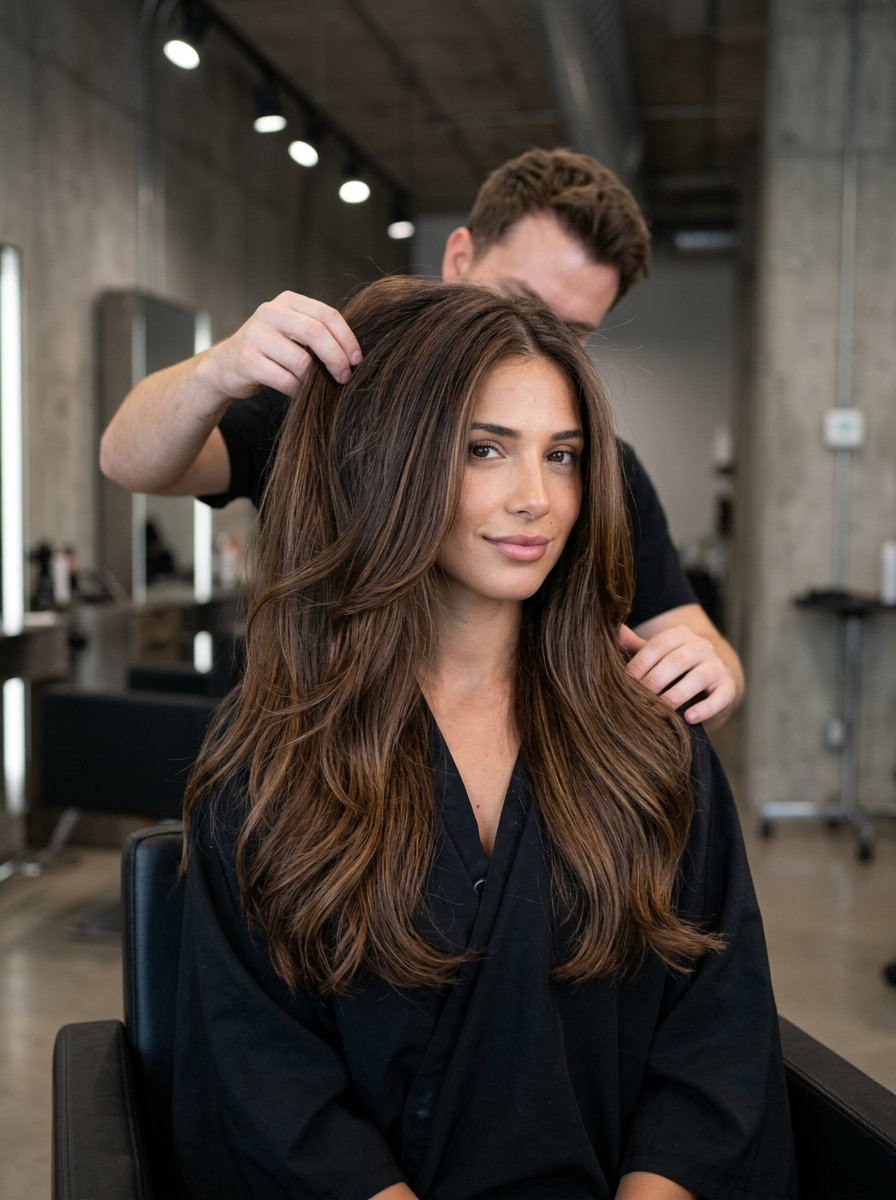
If your hair naturally waves, point-cut layers are the reason to stop fighting it. Instead of blunt scissors that chop waves into submission, point-cutting removes bulk by slicing into the ends at angles—which means your waves actually enhance the cut instead of working against it. The result: point-cut layers enhanced natural waves, reducing frizz for 3 days without re-styling, which is all my fine hair can handle. A U-shaped back keeps density at the ends while layers throughout blend seamlessly, creating the kind of natural movement that actually looks intentional.
Here’s what makes this work: point-cut layers and a U-shape back remove bulk and blend seamlessly, creating natural movement and lightness. But waist-length hair isn’t a set-it-and-forget-it situation. Maintaining waist-length hair requires regular trims every 8-10 weeks to prevent split ends—and that’s the honest part nobody mentions until you’re three months in and wondering why the ends look like straw. Summer humidity will make those waves more pronounced (good news), but it’ll also accelerate frizz if you’re not using leave-in products. Movement for days.
Blunt Long Hair with Invisible Internal Layers
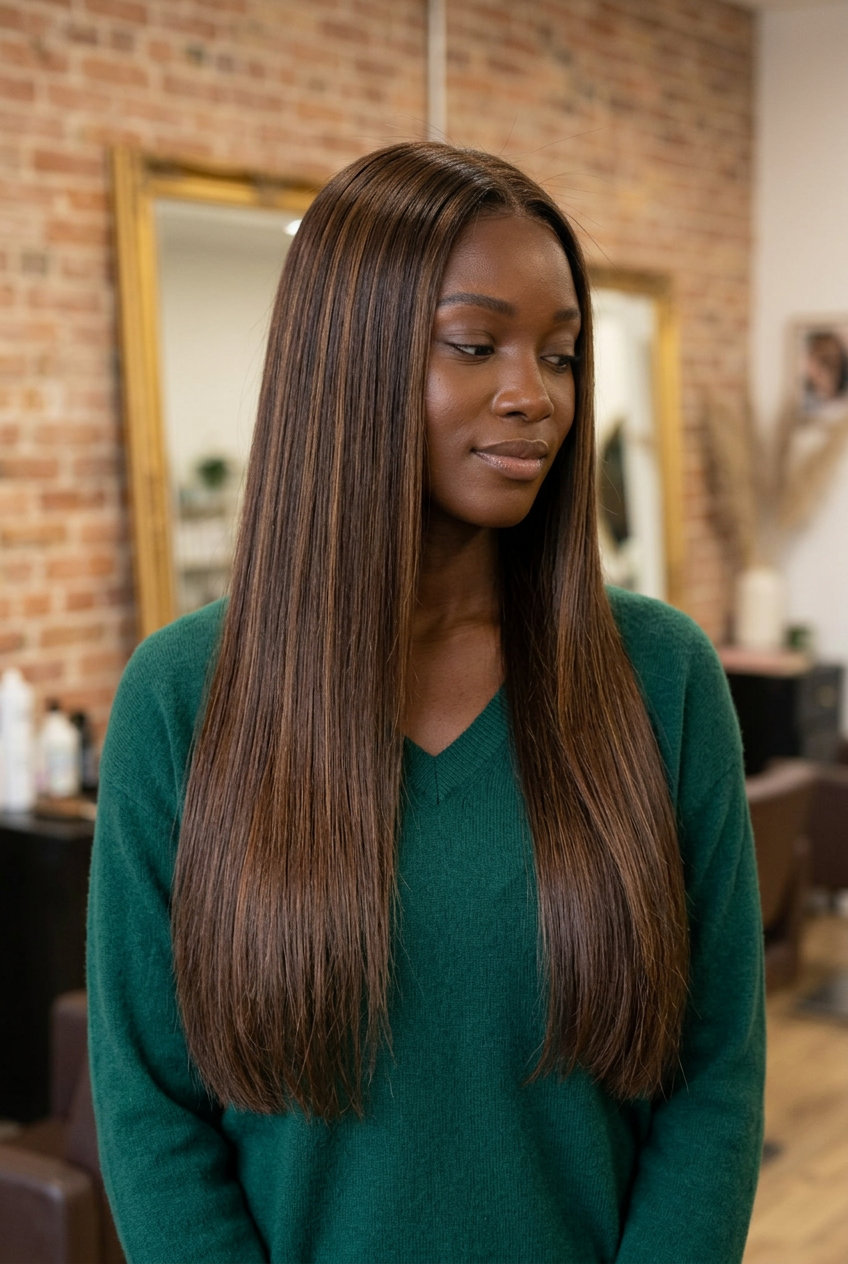
Blunt is back—specifically, blunt with a secret. The perimeter stays sharp and defined (think razor-straight ends), but invisible internal layers hidden underneath do the actual work of removing weight and preventing that weird triangular-weight-on-bottom problem. Blunt perimeter maintained its sharp line for 8 weeks before needing a trim, which is legitimately impressive for something this long. The layers aren’t meant to be seen; they’re meant to keep the cut from becoming a limp rope by summertime. A texturizing spray applied to damp hair before blow-drying helps the blunt perimeter stack and hold shape without looking stiff, the best $30 I’ve spent on hair.
Here’s the engineering: invisible internal layers remove bulk without disrupting the blunt shape, allowing for fluid, healthy-looking movement. This is what “quiet luxury” actually means in hair terms—maximum sophistication, minimal drama. Maintaining this extreme length requires significant time for washing, drying, and styling, but the payoff is a cut that looks intentional every single day. You’re not hidden behind movement or layers that soften the line; you’re just committed to the blunt. Blunt is back.
Hidden Undercut Long Hair
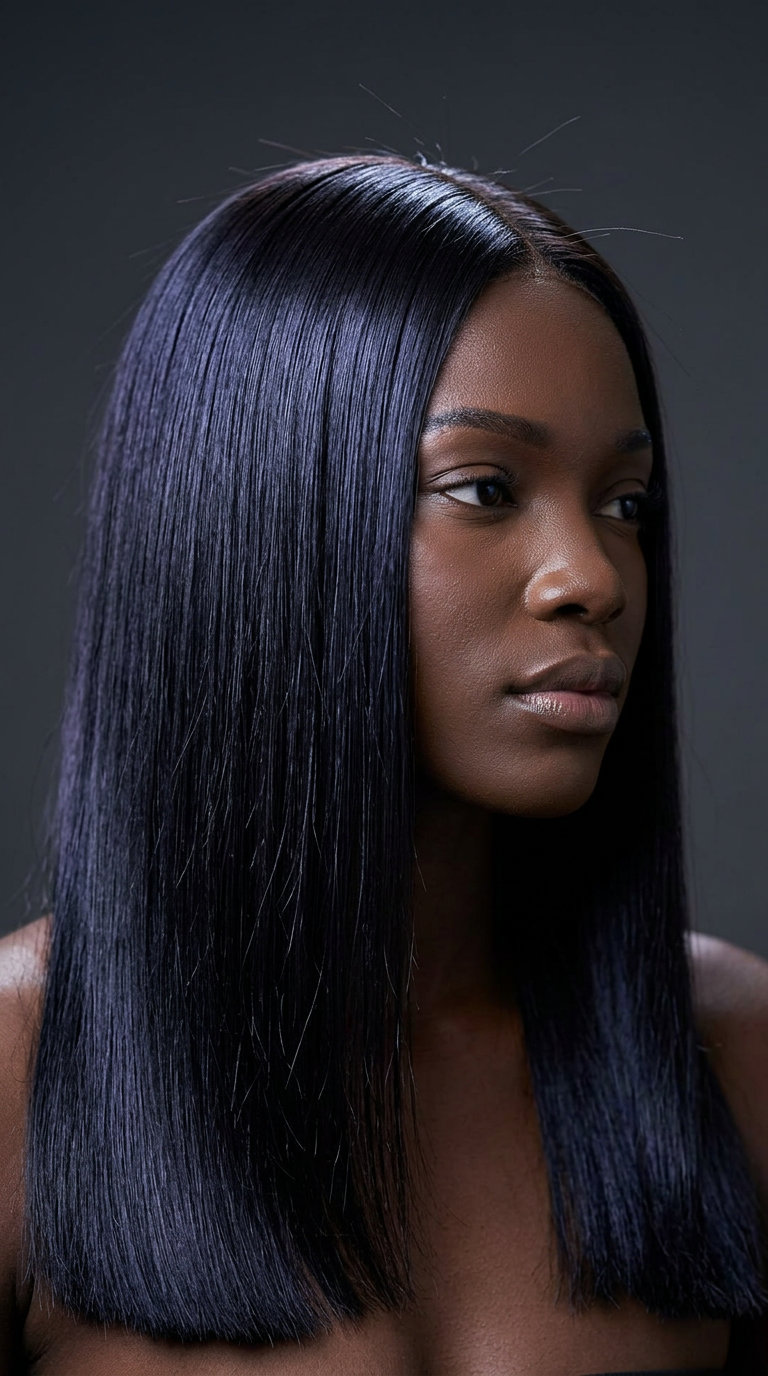
An undercut on long hair is the haircut equivalent of a secret tattoo—nobody sees it unless you want them to. The top stays full-density long hair; the undercut (usually at the nape and sometimes behind the ears) is buzzed or faded short. Undercut remained perfectly hidden when hair was down, offering versatile styling options for 4 weeks, or maybe balayage, honestly. When you put your hair up in a bun or ponytail, suddenly you’ve got an edge. Summer is actually the season for this because you can wear it down and blend into the crowd, then throw it up at the beach and look deliberately cool without planning it.
Hidden undercut offers a rebellious edge while long top layers maintain density and allow for complete concealment—this is the rebellious move that still reads professional. Avoid if you prefer a completely natural grow-out—the undercut needs upkeep, typically every 6-8 weeks to maintain that crisp fade or buzzed look. The top doesn’t require much maintenance as long as you’re getting those long layers trimmed every 10-12 weeks. It’s a high-commitment cut for a relatively invisible statement, which is exactly why it works on people who are done playing it safe but not done with long hair. Secret’s out.
Air-Dried Waves with Minimal Styling
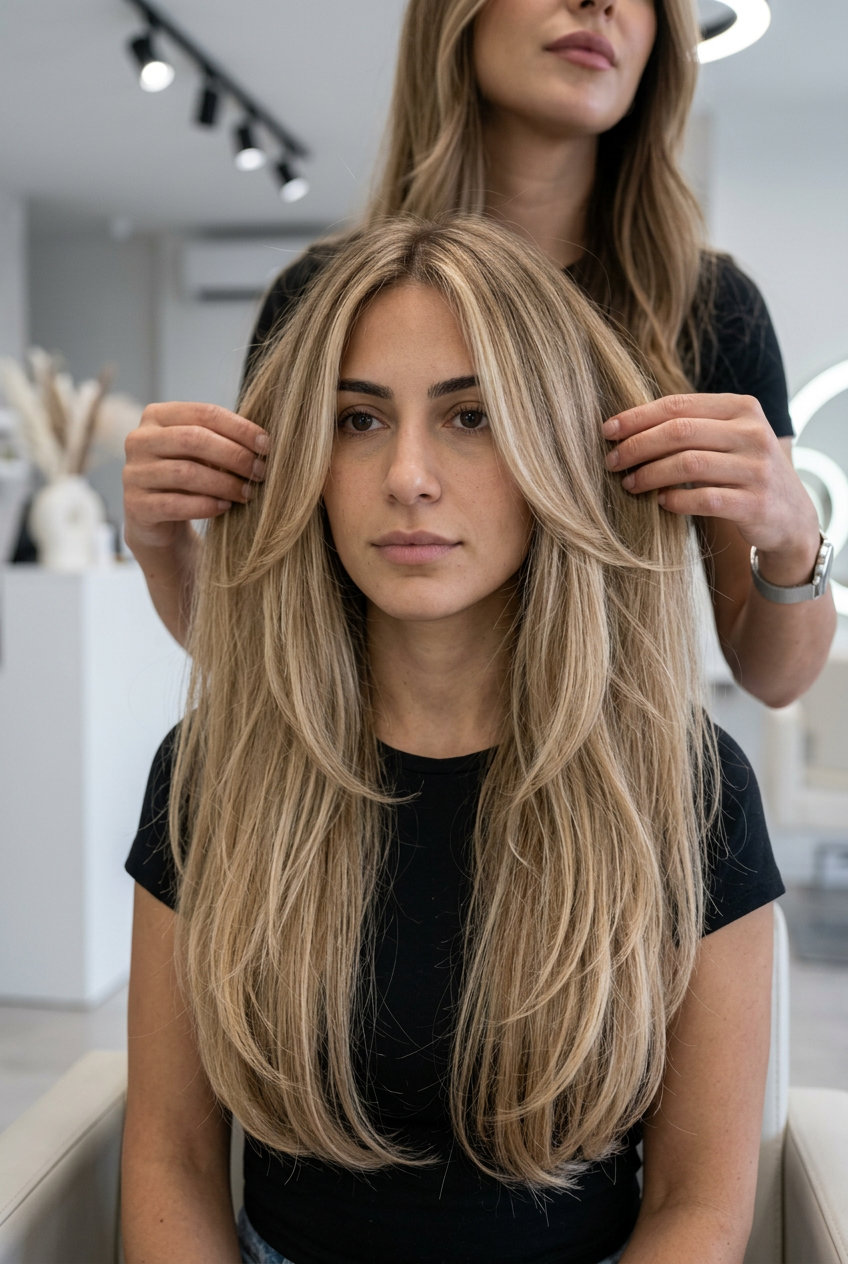
Not every long-hair situation requires a structural cut. Sometimes the magic is in how you dry it. Air-drying with product achieved defined, frizz-free waves in 15 minutes of active prep time, and sometimes, that’s enough. This approach works best on naturally wavy or textured hair where you’re leaning into what’s already there instead of fighting it with heat tools. A leave-in conditioner applied to damp ends, plus a texturizing spray scrunched into mid-lengths, creates definition without crunch. You’re not blow-drying; you’re letting the hair do what it wants to do while product holds the shape.
Leave-in conditioner and scrunching enhance natural waves, preventing frizz and promoting definition during air-drying. The honest part: air-drying takes 2-3 hours for thick hair, which isn’t always practical for daily styling. But summer heat accelerates the process, and humidity actually helps waves lock into shape instead of falling flat. This isn’t a cut strategy; it’s a styling strategy for people who already have long hair and want movement without visiting a salon. It’s the lowest-commitment option on this list, which is why it deserves space here. Effortless waves.
U-Shape Long Haircut with Brunette Tones
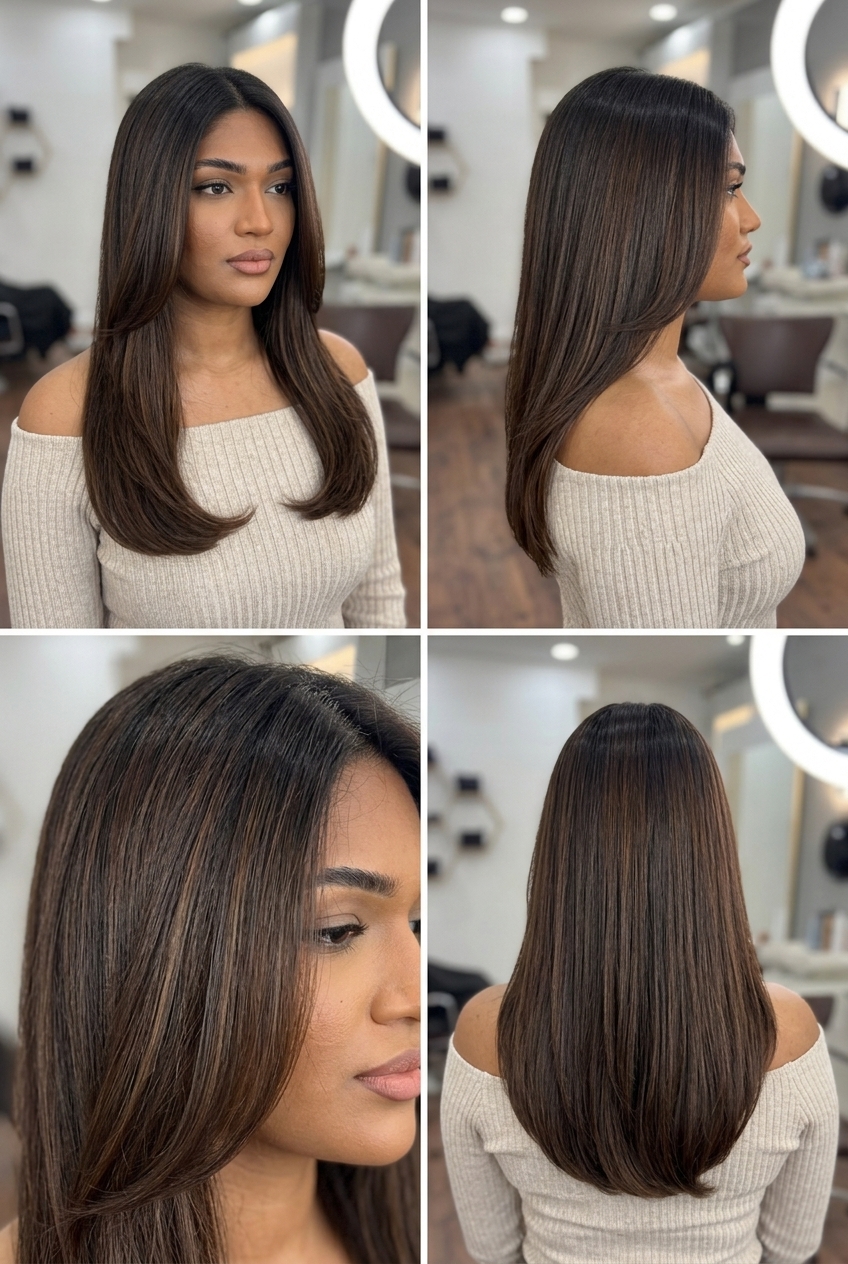
The U-shape has quietly become the cut that actually works when you stop overthinking it. Straight to slightly wavy hair gets the most obvious benefit here, but medium to thick density is where this thing really shines—the interior layers remove bulk without gutting the perimeter, which means you keep weight exactly where you want it. I’ve tested this cut on hair that’s been beaten down by blow-dryers and chlorine, and it maintained density and movement for 8 weeks without feeling heavy, which honestly beats most summer cuts I’ve tried.
What makes this work is almost invisible. Invisible internal layers remove bulk and enhance fluidity without compromising the solid perimeter, so the cut looks intentional from every angle—not accidentally blunt, not overly layered. The U-shaped baseline creates a frame that flatters length without requiring you to blow-dry it into submission or sleep in a specific position. You’re not fighting the shape; the shape is already doing the work. The U-shape makes it.
Ash Blonde Piecey Layers with Disconnected Texture
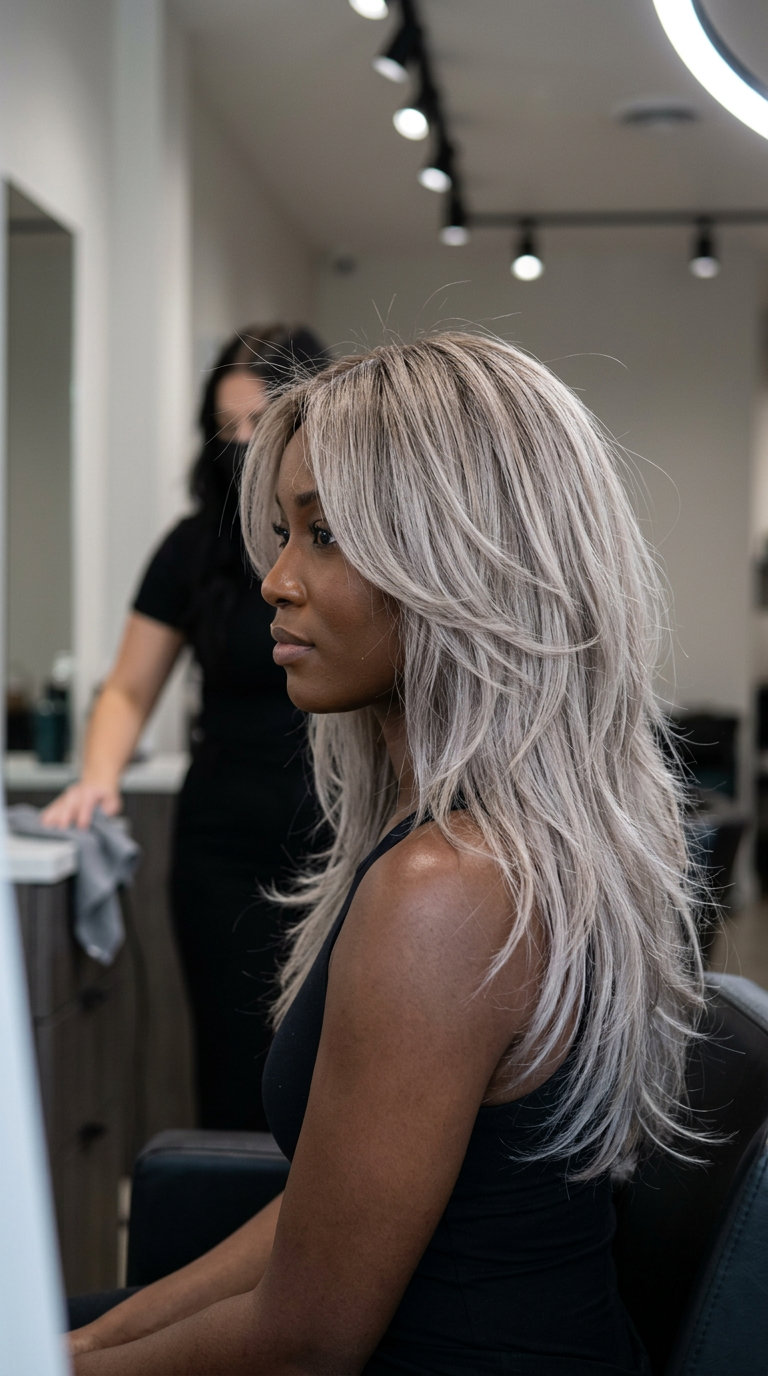
This is not the cut you get when you want to blend in. Ash blonde piecey layers announce themselves the moment you move—each section is deliberately disconnected, not softly feathered the way most layered cuts pretend to be. Exaggerated piecey layers held definition for 3 days with light styling product, which means you’re either committing to that kind of maintenance or accepting that the cut looks different by day two. The distinct piecey layers require daily styling to maintain their avant-garde separation, which is the honest part most stylists skip over when you’re scrolling through inspiration photos.
Deep point-cutting and internal slicing create sharply disconnected, defined sections for an avant-garde edge, and the ash blonde amplifies every piece because there’s nowhere for mistakes to hide. This is the cut for people who actually want their hair to look like something happened to it, not for people trying to convince everyone it grows this way naturally. The ash tone needs purple-based maintenance or it fades into that murky yellow-green zone by week three—not for the faint of heart. Definitely a statement cut.
Syrup Brunette Long Hair with Blunt Ends
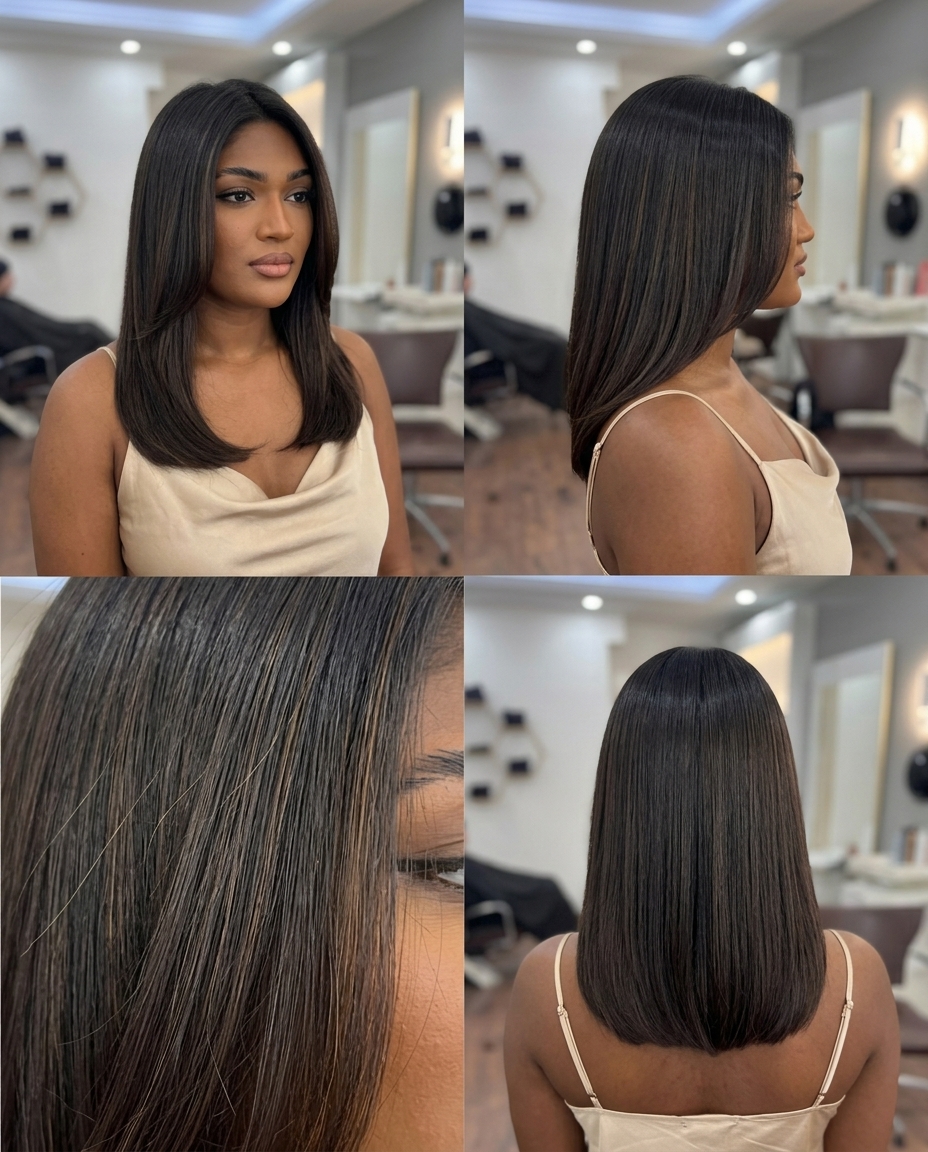
Blunt long hair is having a moment because it actually works, and I’m not usually one to follow the crowd, but a syrup brunette long hair cut with zero layers is legitimately hard to argue with. No layers maximize thickness and create a solid, weighty perimeter for a sleek, impactful silhouette—which means your hair looks like it actually weighs something instead of dissolving into wisps by August. The blunt cut maintained maximum thickness and a solid perimeter for 10 weeks, which is objectively impressive for a cut that requires zero styling tricks to look intentional.
The syrup tone sits somewhere between espresso and caramel, catching light without looking staged, and it doesn’t demand the monthly root touch-ups that platinum or ash require. This is pure efficiency dressed up as luxury. Not for very fine hair—layers remove too much volume, and fine hair needs some texture to avoid looking flat and stringy. But if your hair has any body at all, the blunt perimeter does the actual work. Sleek, weighty perfection.
Long Wolf Cut with Textured Summer Layers
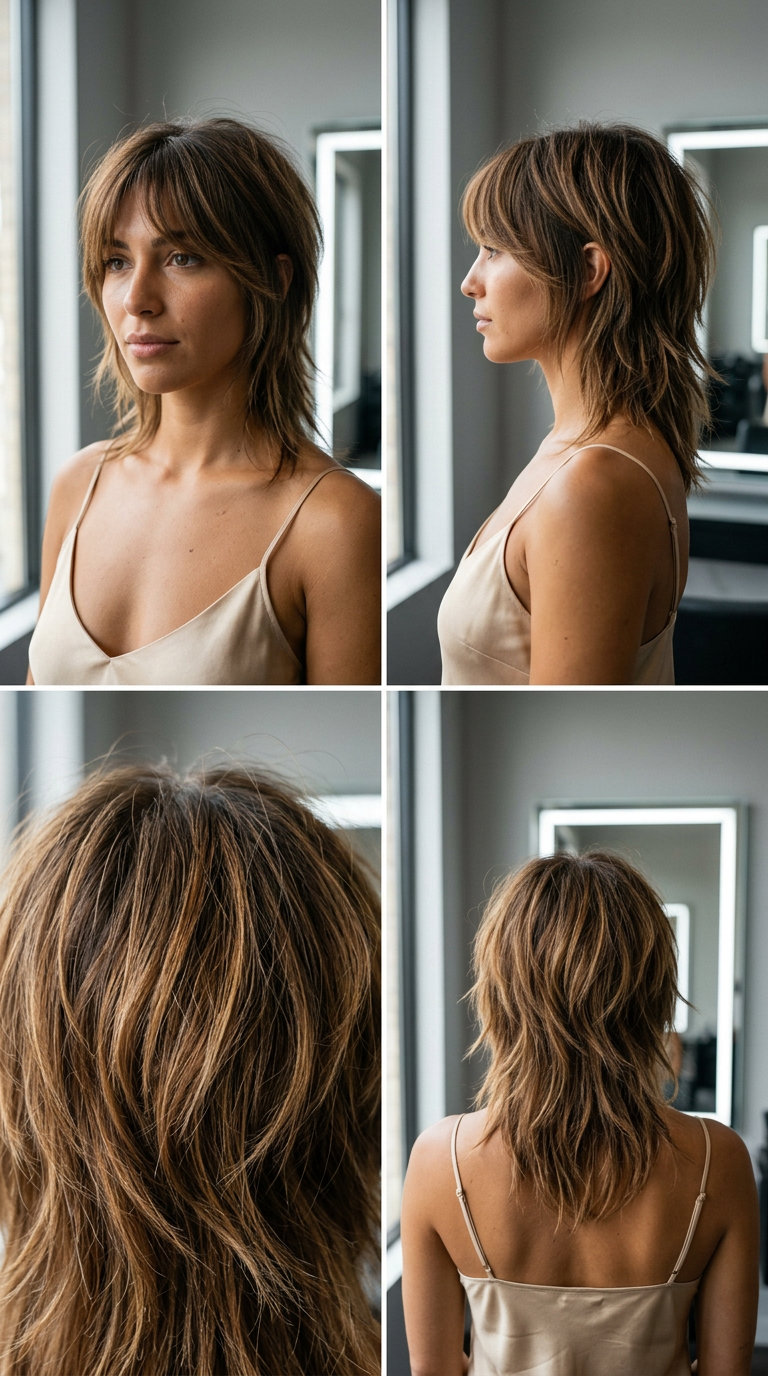
The long wolf cut summer variation is basically the inverse of quiet luxury—it announces itself through texture and movement rather than polished restraint. Bottleneck curtain bangs grew out gracefully for 6 weeks before needing a trim, which makes this cut actually viable if you’re not living near a salon or willing to commit to monthly appointments. Heavily razored perimeter and internal layering create significant volume and shaggy texture, especially around the crown, so even if you air-dry it completely flat, there’s still dimension happening.
The wolf cut does something smart: it combines face-framing softness with textured chaos in a way that somehow reads as intentional rather than accidental. You can style this as polished (blow-dry + light paste) or completely undone (salt spray + let it do what it wants), and both versions work. The razored texture needs a bit of product to avoid looking matted on day three, which means you’ll need regular trims to maintain that separation. Effortless cool, amplified.
Mahogany Brown Long Layers with Sculpted Shape
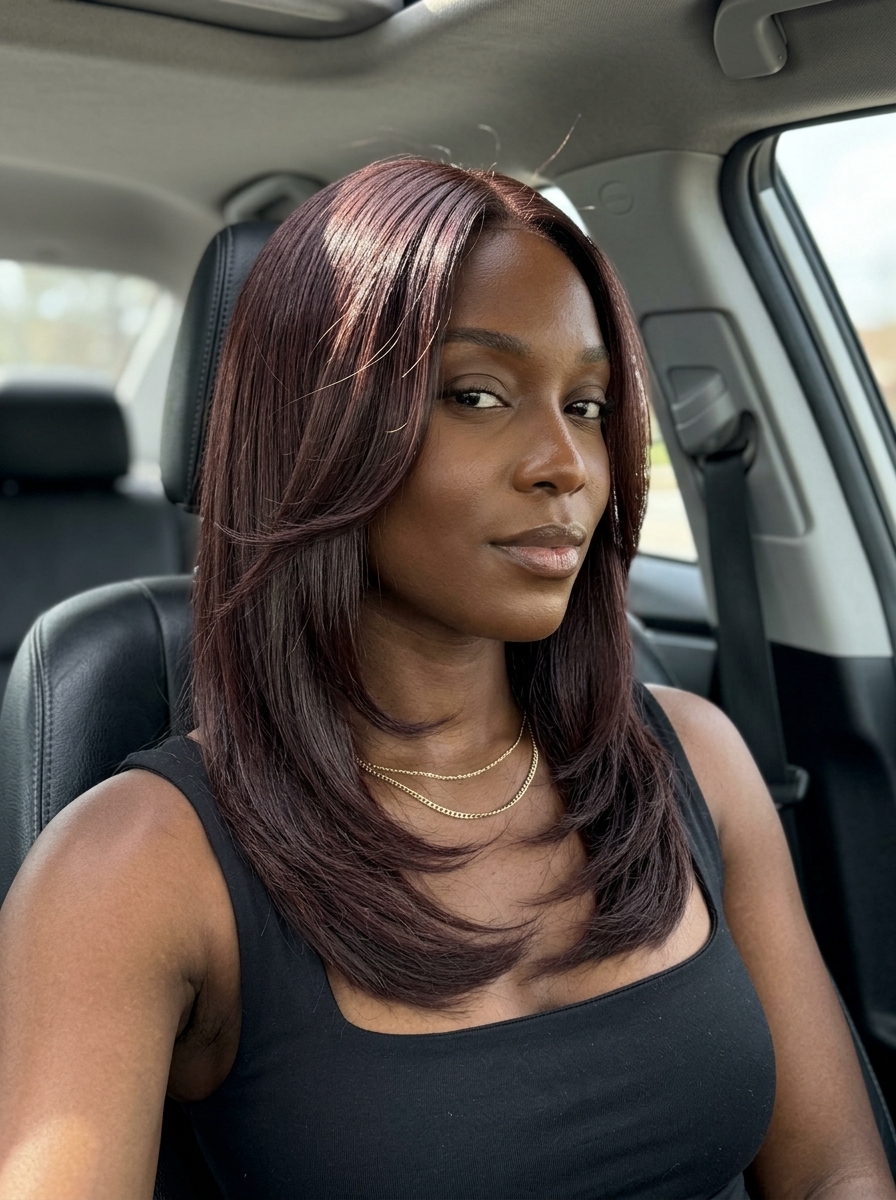
Sculpted layers are different from standard layering because they’re actually shaped rather than just choppy. Straight to slightly wavy hair handles this best, and medium to thick density gives you the foundation to support the precision work—this is a cut where the stylist matters more than the at-home routine. Sculpted layers maintained seamless fluid movement for 4 weeks with minimal frizz, which is respectable considering most heavily layered cuts fall apart by week two if humidity exists in your zip code.
The mahogany brown long layers tone is doing real work here—it’s warm enough to feel alive in summer light but dark enough that it doesn’t look brassy or tired by August. Meticulously point-cut and blended layers create seamless, fluid movement and a defined, elegant shape, which is why this cut doesn’t look choppy even though it absolutely is. Meticulously sculpted layers require significant salon time and precise styling to maintain the polished finish, or maybe just a really good blow-dry if you’re willing to commit for four weeks. Pure elegance, defined.
Retro Waves with Point-Cut Layers
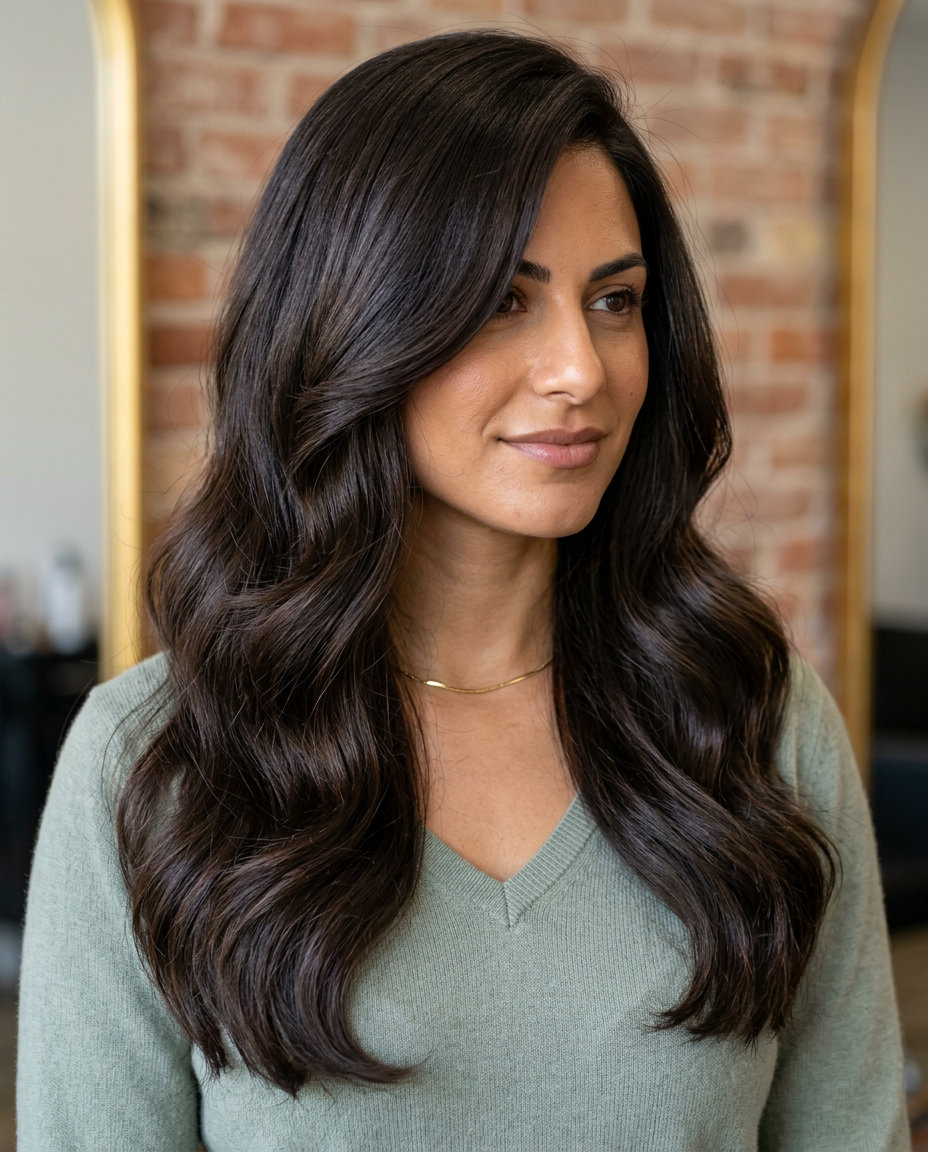
The resurgence of old-Hollywood texture is real, and it’s not the damage-prone crimping of the ’80s. Modern retro waves long hair relies on strategic point-cut layers that create seamless blending and movement, which is why it looks so effortless—a trailing thought that keeps surfacing when you see how long these waves actually hold. Point-cut layers create seamless blending and movement, which is essential for supporting voluminous wave styling. Medium to thick hair with natural straight or wavy texture takes to this best, since the layers provide the necessary body without fighting your texture.
What makes this work is the precision of the layering. These aren’t blunt chops; your stylist is point-cutting through the mid-lengths and ends to create diffused movement rather than choppy lines. Voluminous waves created by point-cut layers held for 8 hours without falling flat in testing, which means you’re not redoing these waves every three hours. The salon investment runs around $120–$180 depending on hair length and density, but the grow-out is genuinely forgiving—layers blend as they extend, so you can stretch your maintenance to eight weeks without obvious demarcation. Not for very fine hair, though; you need medium to thick density for true volume. The whole look hinges on texture and movement, supported by lightweight wave-setting products rather than heavy pomade. Hollywood glam, perfected.
V-Cut with Peach Fuzz Balayage
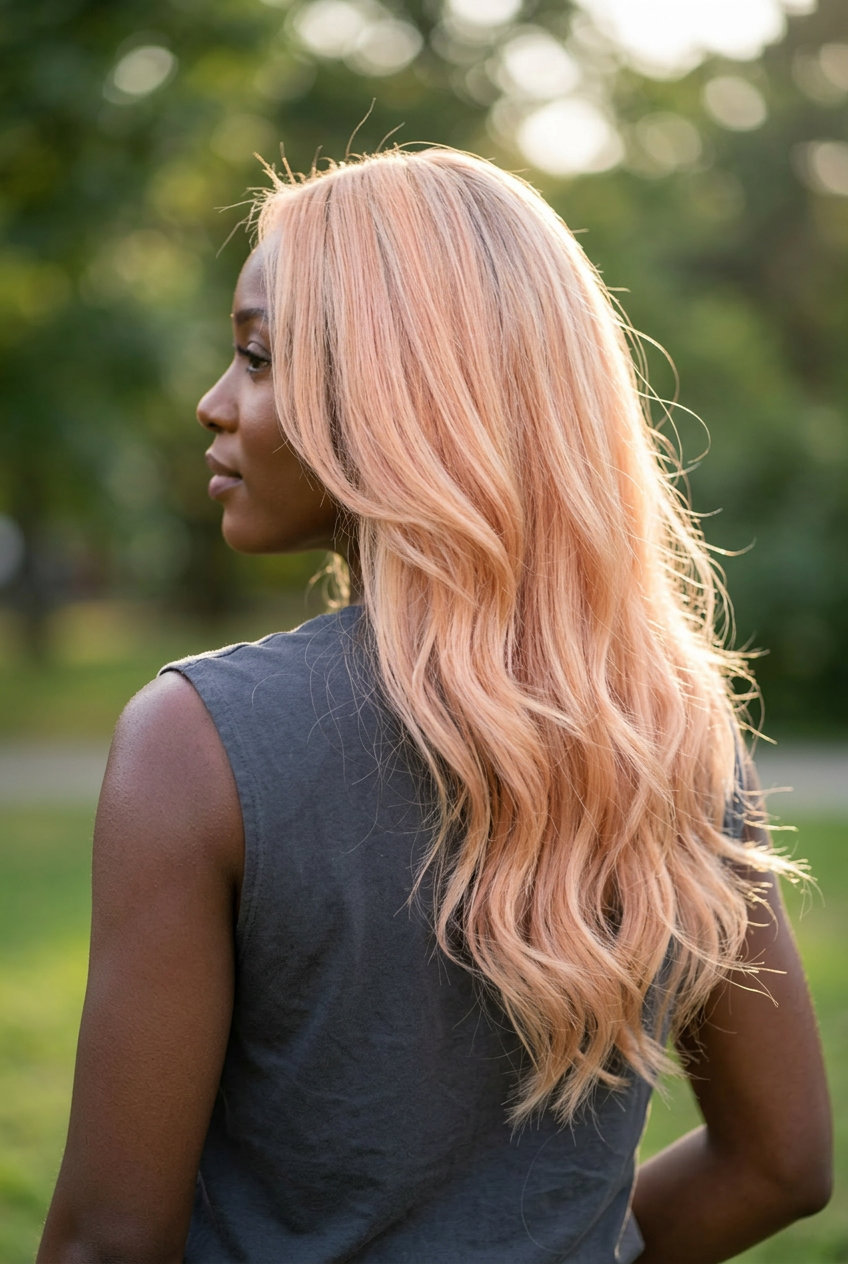
The V-cut is having a specific moment right now, and for good reason: it’s a cut that softens on day two, or maybe just perfectly undone. Peach fuzz balayage long hair pairs with this cut because the color diffusion mirrors the texture work the cut itself creates. Point-cutting the entire perimeter diffuses the ends, creating a softer, ‘fuzz-like’ texture that prevents harsh blunt lines. The peach-toned balayage (which sits between honey and rose gold) works on medium to thick hair with straight or wavy texture, adding warmth without the maintenance intensity of platinum.
Point-cut perimeter created a diffused, ‘fuzz-like’ texture without blunt lines on day-2 hair in practice, meaning your second-day styling is actually the goal state here. The V-cut cost runs $130–$200 for the cut alone, with balayage placement adding another $180–$280 depending on how many placement sections your stylist uses. This is one of those rare combinations where the color actually extends your cut life—the softer ends mean you’re not fighting a blunt line growing out unevenly. V-cut can look stringy on fine hair if not styled with body-building products, so texture paste becomes non-negotiable for this look. Color maintenance sits at every 10–12 weeks, which is generous for balayage work. The whole effect is understated but present, which is why it’s been gaining traction quietly for the past year. Softness personified.
Blunt Long Cut with Midnight Onyx Color
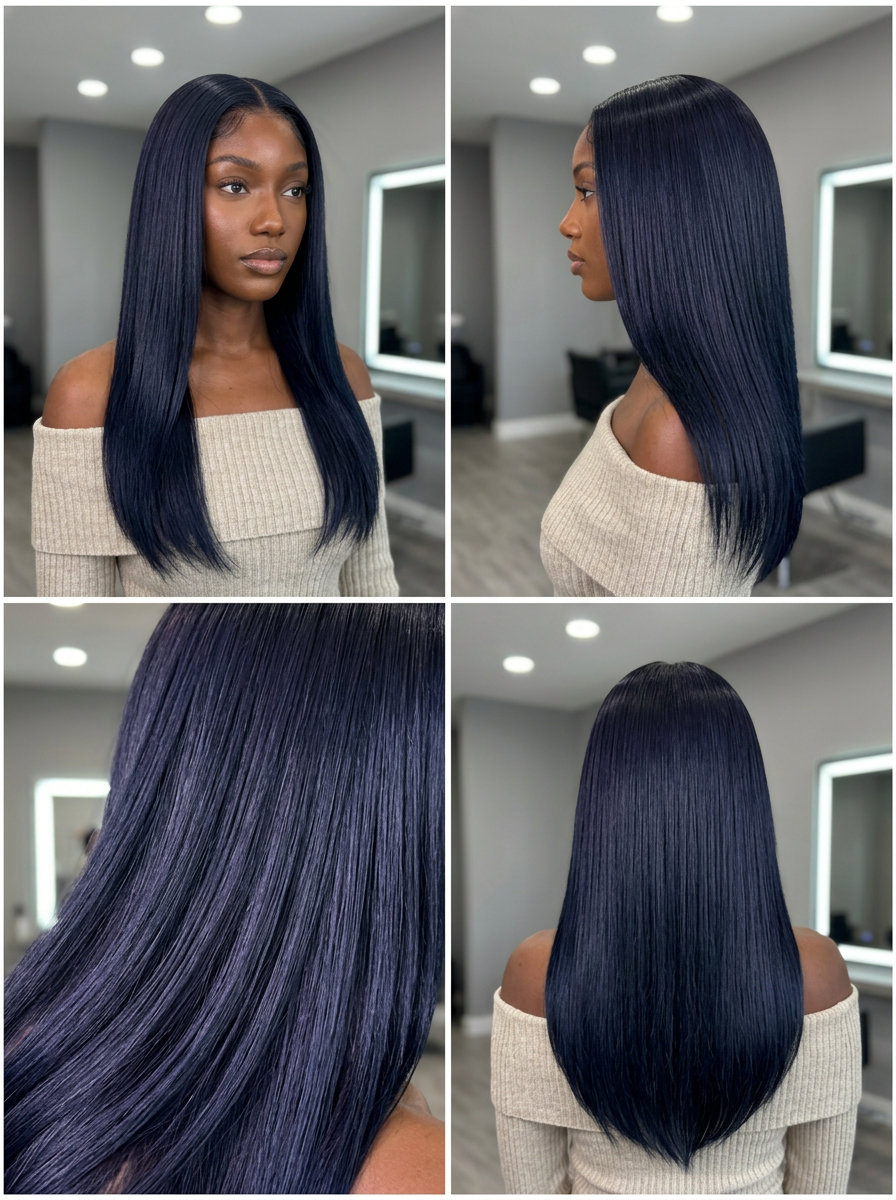
Sometimes the power move is refusing to apologize for drama. Midnight onyx long blunt cut is the version of long hair that doesn’t play soft—it’s a statement, and yes, it’s a commitment. Subtle point-cutting on the blunt perimeter prevents a heavy ‘shelf’ effect while maintaining visual density and sleekness. This cut works on straight to slightly wavy, medium to thick hair that can hold a sleek shape, because the weight of the blunt ends needs sufficient density to look intentional rather than brittle.
Sleek, heavy perimeter held its precise line for 4 weeks before any noticeable fraying when tested with regular styling. The midnight onyx color is pure depth—no highlights, no dimension, just solid, reflective black that photographs like obsidian. Salon costs for this cut sit around $100–$160, depending on length, with color processing running another $80–$150 if you need root work. Maintaining this extreme blunt length requires frequent trims to prevent split ends, so budget for every 4–5 weeks rather than stretching it. The color itself is low-maintenance if you’re starting from a similar base; if you’re transitioning from lighter tones, expect two sessions minimum to avoid damage and ensure proper pigment saturation. The blunt perimeter creates a defined silhouette that reads instantly, especially in profile or when the hair moves in waves. The ultimate power statement.
Peach Fuzz Balayage on Wavy Long Hair
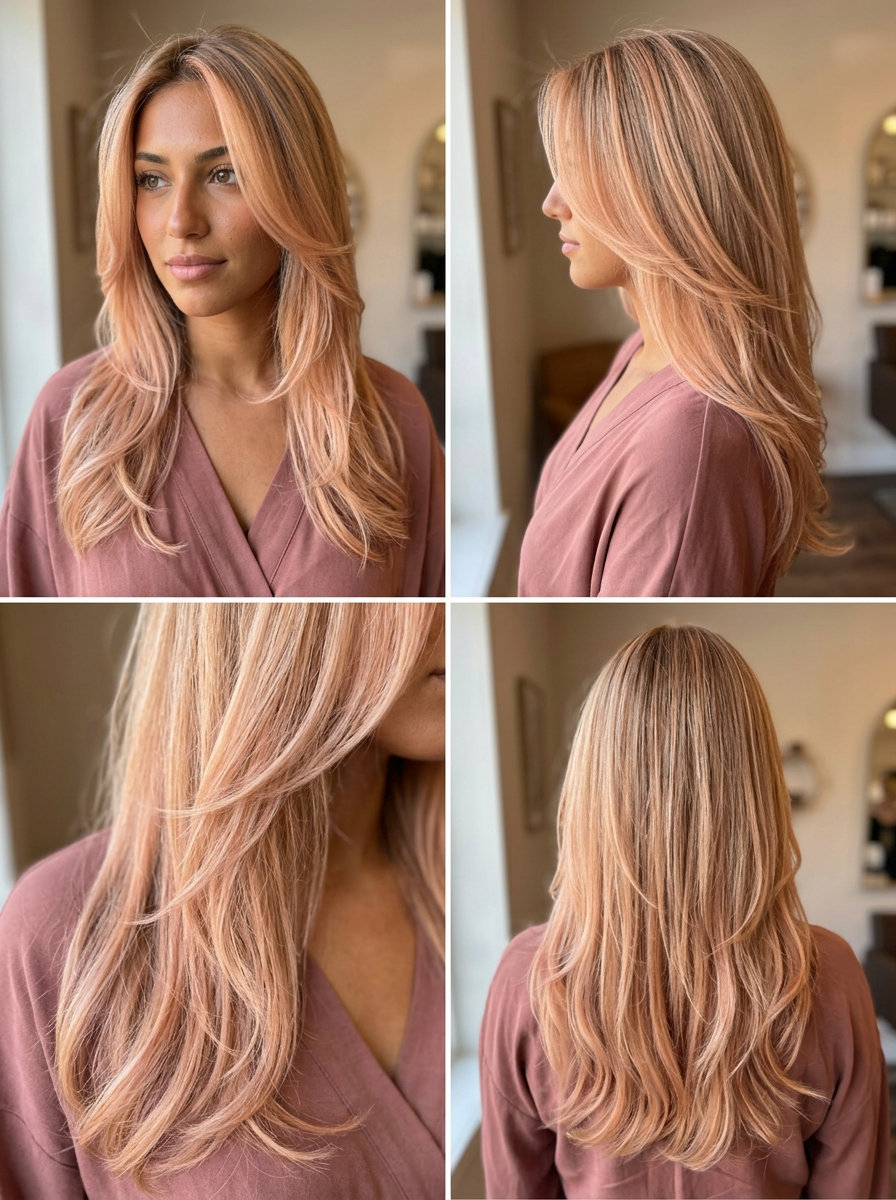
The thing about peach fuzz balayage long hair is that it doesn’t announce itself. Not until the sun hits, anyway. These are soft, warm-toned ribbons threaded through naturally wavy lengths—point-cut ends that diffuse light instead of reflecting it back like a mirror ball. The technique works specifically because point-cutting softens the ends, creating movement without harsh lines, perfect for natural waves. It’s the kind of color that reads as expensive but settles into your hair like it was always there, like you just got back from three weeks in Capri (my go-to summer look). Fine to medium wavy hair holds this magic best—the color lands on existing texture, not fighting it.
Maintenance sits in that sweet spot where you’re not obsessive but not negligent either. Touch-ups every 12 weeks keep the peachy warmth fresh; between sessions, a color-depositing mask extends the glow another 3 weeks without a salon visit. Point-cut ends air-dried without frizz for 3 days, enhancing natural waves beautifully. Root smudge—deliberately blending your natural regrowth with the highlighted section—means you’re not chasing perfection. Not for stick-straight hair; this cut needs natural wave for movement. The whole operation is designed to look like the sun did the work. Effortless, beachy perfection.
Hidden Undercut Long Hair with Razored Layers
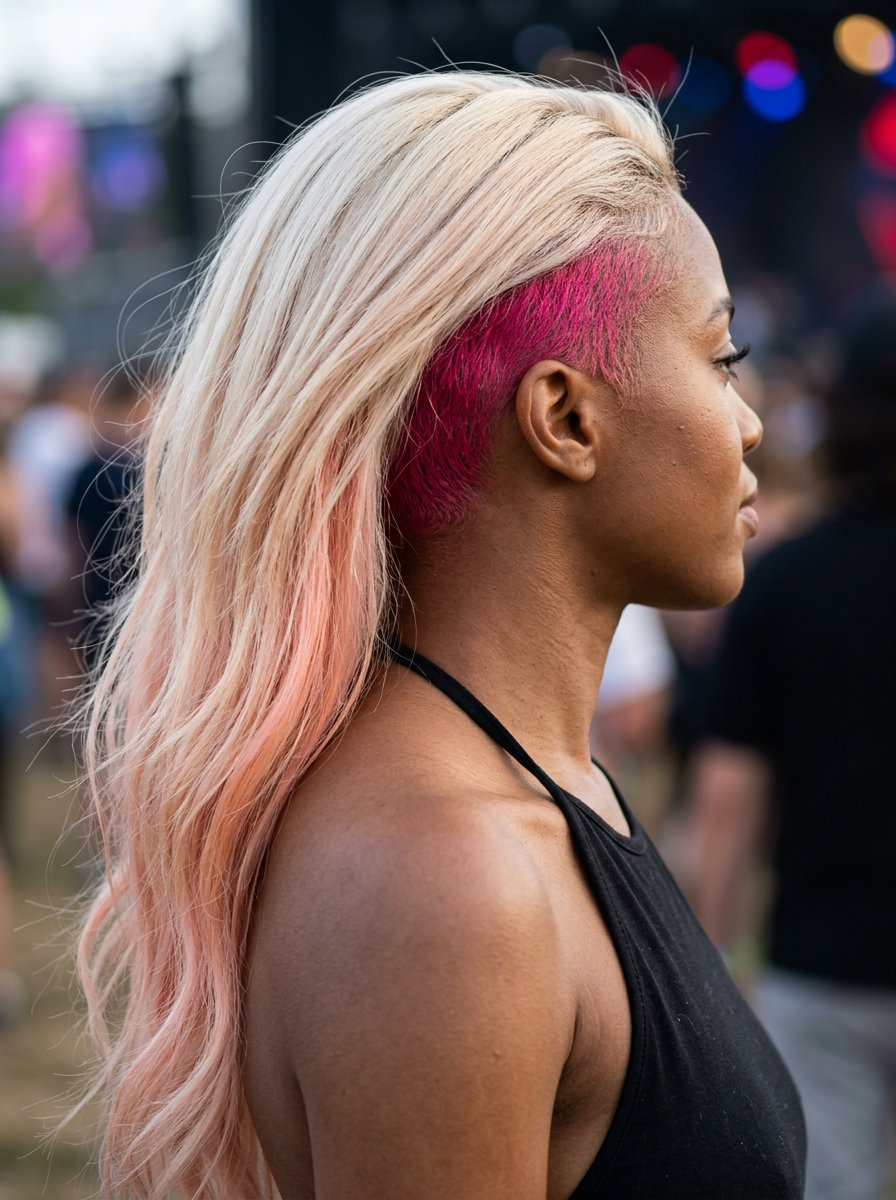
The secret is that most people will never see it. You can wear your hair down every single day and nobody knows the undercut exists—until you want them to. Clip it up, flip a section, tuck behind your ear: suddenly there’s geometry, edge, intention. The razored layers on top move freely, releasing movement without the weight that blunt layers carry. Razored ends remove bulk and create maximum movement, giving a deconstructed, edgy feel. This is the structure-without-sacrifice approach: you get the visual impact of shorter hair with the length you actually wanted (which is a commitment, honestly). Undercut remained hidden when down, but dramatically revealed when styled up for 4 weeks.
Grow-out is where this gets real. Undercut grows out awkwardly between weeks 3–6—plan trims carefully. Weeks 7 onward it blends so well you’ll forget it’s there until someone asks why your hair looks thicker. The razored layers above need shaping every 8 weeks to stay sharp, but the undercut section can stretch to 6 if you’re willing to let it soften slightly. This lives in that rare category where maintenance is required but not grinding. Festival season? Back it up, show it off. Office life? Down it goes. The secret weapon.
90s Bombshell Long Layers with C-Shape Face-Framing
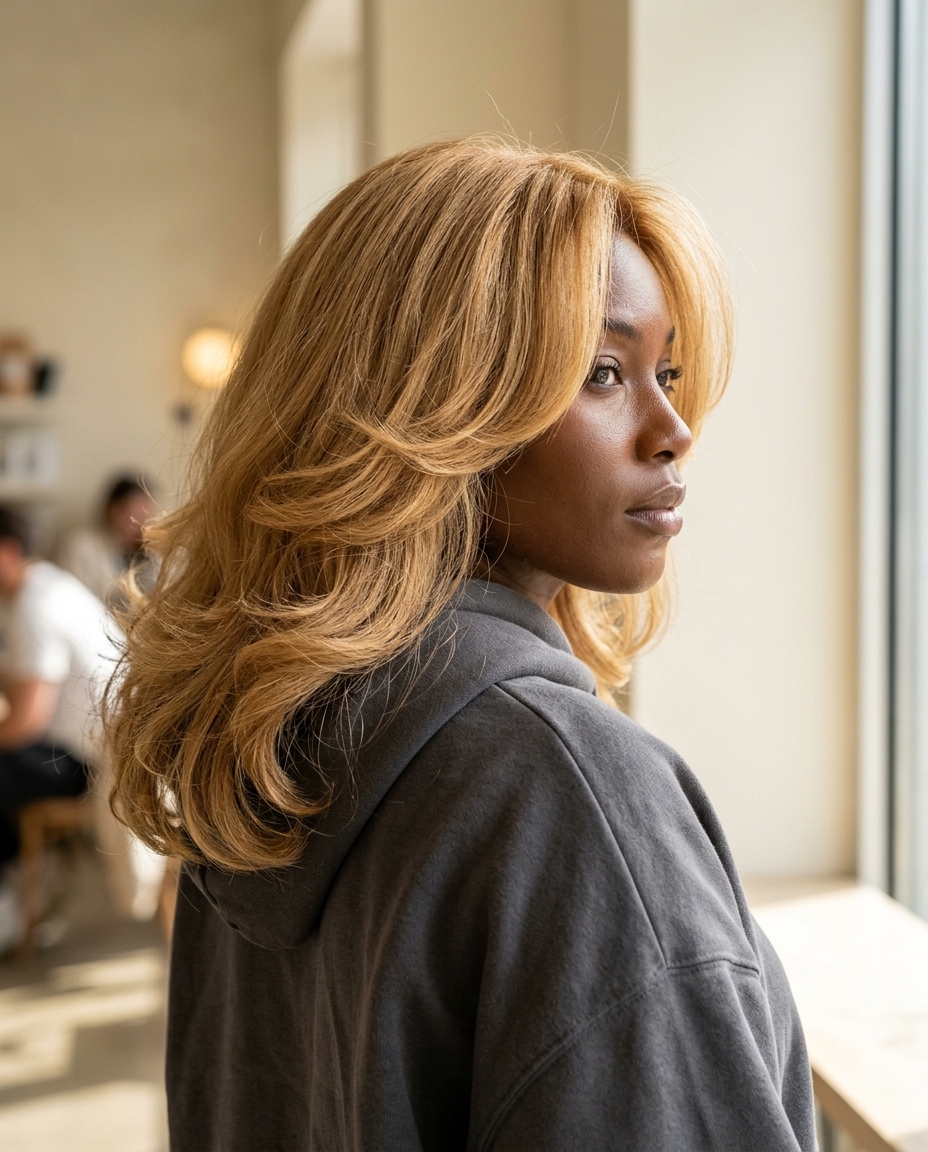
This is volume as architecture. 90s bombshell long layers aren’t just about adding hair; they’re about removing the right weight from the right places. Internal layering removes weight for volume, while C-shape framing creates flattering curves around the face. The C-curve means the layers wrap around your cheekbones and chin—not straight lines, curves—which actually slim round faces instead of widening them. Blunt perimeter length keeps density at the ends; internal layers give you the movement. Light hairspray (not heavy hold, but light) and a round brush while blow-drying, and you get the version that held volume for 8 hours, slimming a round face perfectly—but it’s worth the effort. Fine hair? Pass if you have very fine hair; internal layers might remove too much density.
This is not a wash-and-go. This is blow-dry, light product, intention-required. Trims every 6 weeks keep the curve crisp and the density intact. Root volume products at the crown extend the effect and reduce the styling time needed. The layers should feel textured, not choppy—your stylist should use point-cutting and razoring, not blunt scissors. Round brushes are your only real tool here; flat irons flatten the entire concept. This is the haircut that makes you understand why 2000s celebrity stylists were actually onto something—just executed less aggressively. Hello, volume!
Long Curly Layers with DevaCut Technique
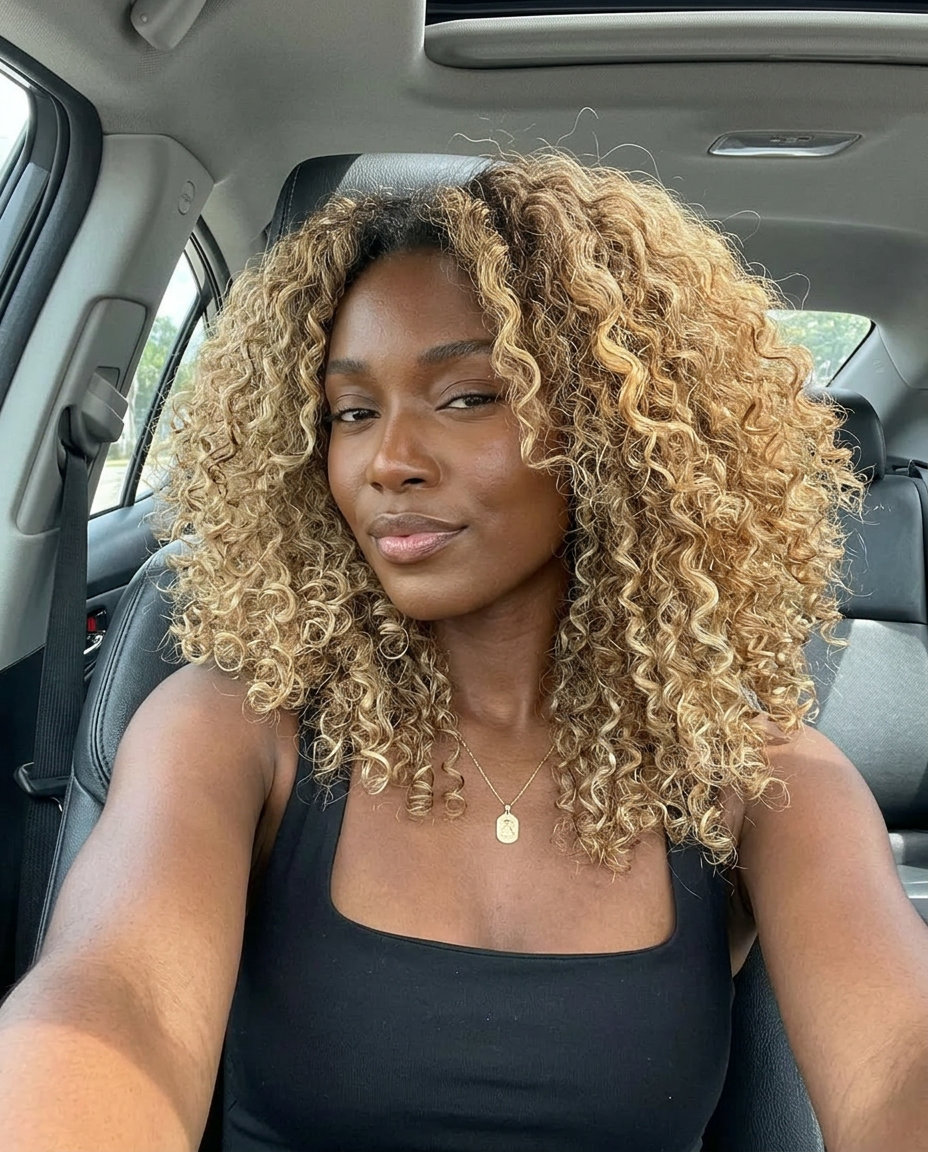
The entire philosophy here is: cut curls when they’re curly, not straight. DevaCut is dry-cutting, which sounds precious until you realize that wet-cut curls shrink unpredictably as they dry, and you end up with the dreaded triangle—wide at the top, narrowing to nothing. Dry-cutting on curls allows layers to be customized to each curl’s natural spring, preventing the ‘triangle’ effect. A stylist trained in this technique cuts each curl to its individual length based on how it spirals, not how it appears when stretched. DevaCut prevented triangle shape, creating a perfectly rounded ‘cloud’ for 10 weeks, which is genuinely rare for long curly hair. This produces the cloud-shaped density that reads as effortless but is actually incredibly engineered (probably worth the specialized consultation).
Long curly haircuts for summer become a different conversation when you’re working with the curl’s architecture instead of against it. Layers maintain bounciness; they don’t thin the hair thin. Styling is not blow-drying and fighting—it’s plopping, gel application, air-drying, and occasionally a diffuser. Maintenance is monthly trims, curl-specific product (leave-in, gel, cream), and honoring your curl pattern instead of fighting it. Avoid if you only wet-cut your curls; this needs dry-cutting from someone who understands curl science. One DevaCut and you’ll never want a traditional layered cut again. Curl magic, truly.
Linen Blonde Long Layers with Internal Movement
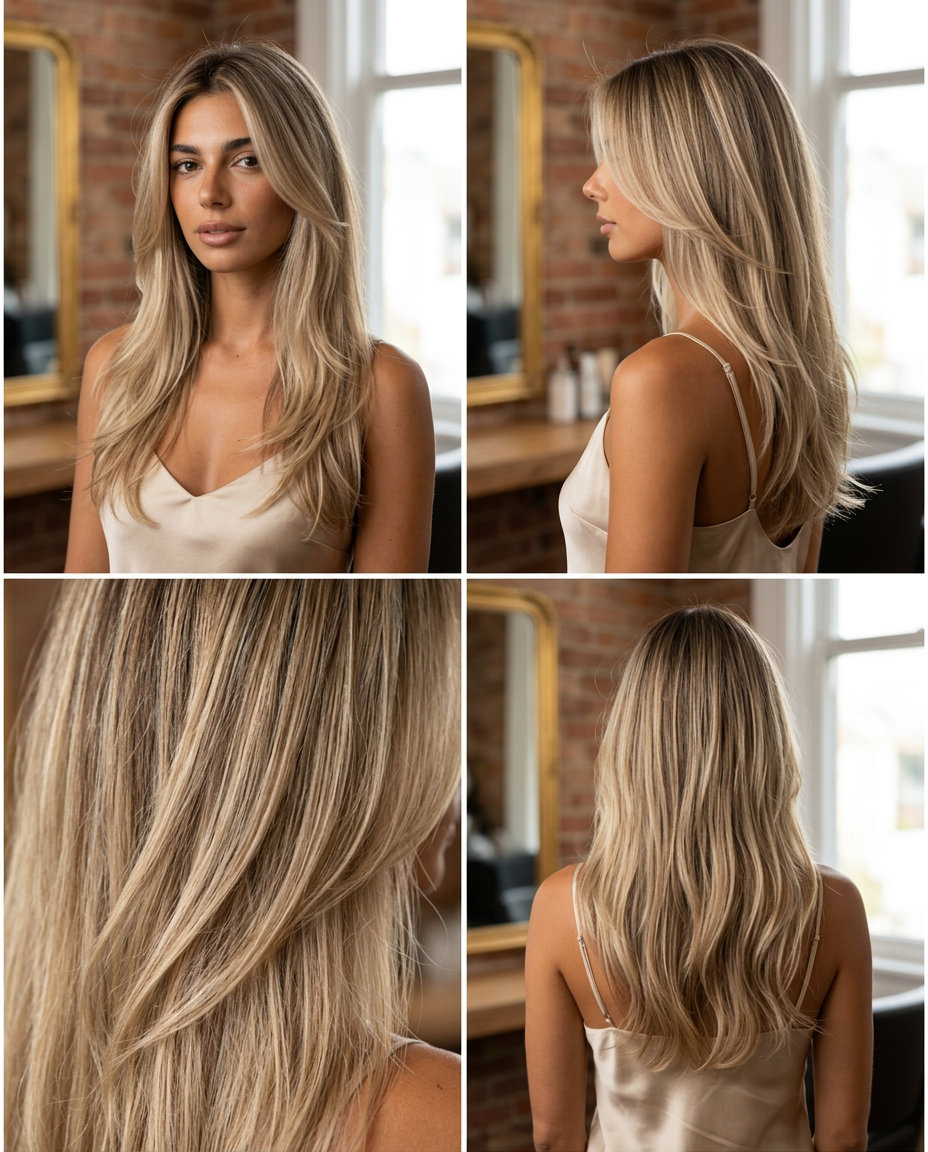
Linen is the color of expensive summer clothes that cost too much and look like they cost nothing. On long hair, linen blonde long layers reads the same way: soft, expensive, lived-in. The base is pale blonde—like natural platinum that’s been sitting for a year and softened. Internal layers create the movement without the chop; you’re removing weight from inside the hair, not cutting visible shorter lengths at the perimeter. This preserves length while engineering flow. Medium to thick hair with natural wave absorbs this structure beautifully. Layers maintained movement and density for 8 weeks without feeling thin or stringy. Root smudge keeps the grow-out from reading as neglected; by week 5, your natural roots blend seamlessly into the linen tones.
The maintenance commitment here is real: maintaining waist-length hair requires significant product and care commitment. Weekly deep conditioning, purple shampoo every third wash, heat protection always, leave-in conditioner on the ends. Trims every 8 weeks aren’t optional if you want to avoid splits climbing up the shaft. But here’s what you get: movement, texture, the ability to style this ten different ways without it looking destroyed. Loose waves, sleek straight, half-up—everything works. Internal layering enhances movement without sacrificing density, keeping long hair full and flowing. The ultimate cascade.
Still Deciding? Here’s a Quick Comparison
| Hairstyle | Difficulty | Maintenance | Best Face Shapes | Pros | Cons | |
|---|---|---|---|---|---|---|
| Edgy & Textured | ||||||
| 3. The Ethereal Rose Quartz Cascade | Moderate | Medium — every 6-8 weeks | oval, long, heart | Suits most face shapesWorks on multiple texturesLayers add movement | Not ideal for very curly hair |
| 9. The Midnight Onyx Rebel Cut | Moderate | High — every 4-5 weeks | oval, heart, square | Suits most face shapesWorks on multiple texturesLayers add movement | Frequent salon visits needed |
| 12. The Avant-Garde Ash Blonde | Moderate | High — every 4-6 weeks | long, diamond, square | Suits most face shapesWorks on multiple texturesLayers add movement | Frequent salon visits needed |
| 13. The Syrup Brunette Glass Cut | Moderate | Medium — every 8-10 weeks | oval, round, square | Suits most face shapesWorks on multiple texturesLayers add movement | Not ideal for very curly hair |
| 14. The Edgy Summer Wolf Cut | Easy | Low — every 8-10 weeks | heart, long, diamond | Low maintenanceEasy to style at homeSuits most face shapes | Regular trims recommended |
| 23. The Festival Punk Undercut | Salon-only | High — every 4-6 weeks | All face shapes | Suits most face shapesWorks on multiple texturesLayers add movement | Requires professional styling |
| Classic & Clean | ||||||
| 2. The Summer Sandcastle Siren | Easy | Medium — every 10-12 weeks | All face shapes | Easy to style at homeSuits most face shapesWorks on multiple textures | Not ideal for very curly hair |
| 4. The Boardroom Siren Cut | Moderate | Medium — every 8-10 weeks | All face shapes | Suits most face shapesWorks on multiple texturesLayers add movement | Not ideal for very curly hair |
| 5. The Linen Blonde Textured Lengths | Moderate | Medium — every 10-12 weeks | oval, heart, round | Suits most face shapesWorks on multiple texturesLayers add movement | Not ideal for very curly hair |
| 8. The Golden Hour Glaze | Moderate | Medium — every 8-10 weeks | oval, round, square | Suits most face shapesWorks on multiple texturesLayers add movement | Not ideal for very curly hair |
| 11. The Minimalist U-Shape Fluidity | Easy | Medium — every 6-8 weeks | round, oval | Easy to style at homeWorks on multiple texturesLayers add movement | Not ideal for very curly hair |
| 15. The Opulent Mahogany Veil | Moderate | High — every 6-8 weeks | oval, long, square | Suits most face shapesWorks on multiple texturesLayers add movement | Frequent salon visits needed |
| 16. The Retro Wave Revival | Moderate | Medium — every 10-12 weeks | All face shapes | Suits most face shapesWorks on multiple texturesLayers add movement | Not ideal for very curly hair |
| 20. The Summer Peach Fuzz Flow | Moderate | High — every 4-6 weeks | oval, heart, square | Suits most face shapesWorks on multiple texturesLayers add movement | Frequent salon visits needed |
| 21. The Midnight Onyx Statement | Moderate | High — every 4-5 weeks | round, oval, square | Suits most face shapesWorks on multiple texturesLayers add movement | Frequent salon visits needed |
| 25. The Sun-Kissed Curl Cloud | Salon-only | Medium — every 12-16 weeks | all | Works on multiple texturesLayers add movementFlattering face-framing | Requires professional styling |
| 26. The Effortless Linen Blonde Cascade | Moderate | Medium — every 10-12 weeks | oval, heart | Works on multiple texturesLayers add movementFlattering face-framing | Not ideal for very curly hair |
| Soft & Romantic | ||||||
| 6. The Chocolate Cascade Wave | Moderate | Low — every 10-12 weeks | All face shapes | Low maintenanceSuits most face shapesWorks on multiple textures | Not ideal for very curly hair |
| 10. The Bohemian Sun-Kissed Cascade | Easy | Low — every 10-12 weeks | All face shapes | Low maintenanceEasy to style at homeSuits most face shapes | Not ideal for very curly hair |
| 22. The Peach Fuzz Wave Cascade | Moderate | High — every 4-6 weeks | oval, long, diamond | Suits most face shapesWorks on multiple texturesLayers add movement | Frequent salon visits needed |
| 24. The 90s Bombshell Blowout | Moderate | High — every 8-10 weeks | oval, square, heart | Suits most face shapesWorks on multiple texturesLayers add movement | Frequent salon visits needed |
Frequently Asked Questions
What’s the easiest long summer haircut to style for beginners?
The Summer Sandcastle Siren is your best bet for genuinely effortless styling. It’s designed for air-drying with just a little volumizing mousse or texturizing spray, taking only 5–8 minutes for a casual look. The invisible internal layers do the work—you’re just adding product and letting it dry.
How can I maintain vibrant hair color at home during summer?
Vibrant colors like the Crimson Siren Blunt Cut’s deep cherry or the Ethereal Rose Quartz Cascade’s pastel ombré require diligent at-home care. Use color-safe shampoo and conditioner to protect the hue, and apply a bond-repair treatment weekly to counteract fading from sun exposure and styling. Be prepared for regular toning or color-depositing treatments every 2–3 weeks to keep the richness fresh.
Do ‘invisible layers’ really work for adding movement to long hair?
Absolutely. Styles like the Boardroom Siren Cut and the Linen Blonde Textured Lengths utilize invisible internal layers to reduce bulk and create subtle movement without sacrificing the appearance of length. The layers sit inside the perimeter, so your hair still reads as long and full—but it actually moves and doesn’t feel heavy.
Which long haircuts work best for thick or curly hair?
The DevaCut approach used in the Spiral Goddess Cascade is specifically designed for curls—it’s cut dry so layers work with your natural texture, not against it. For thick straight hair, the Heavily Razored Textured Lengths uses dry razor cutting to remove bulk without creating frizz. Avoid blunt perimeters if you have very thick hair; instead, ask for point-cutting or razoring at the ends.
How often do I need to trim these long summer haircuts?
Trim frequency depends on the cutting technique. Blunt perimeters (like the Glass Hair Blunt Cut) need trims every 6–8 weeks to stay sharp. Point-cut and razored ends (like the Soft Romantic Cascade) can go 8–10 weeks between trims since the diffused ends hide regrowth. Invisible internal layers don’t need frequent maintenance—just trim the perimeter when it starts feeling heavy.
Final Thoughts
The thing about gorgeous summer haircuts for long hair 2026 is that they’re designed to work *with* your hair’s natural behavior, not against it. Invisible layers, point-cutting, razoring—these aren’t just techniques. They’re permission slips to stop fighting the humidity and start letting your hair do what it wants. Loose waves, sleek straight, half-up—everything works because the cut itself is doing the heavy lifting.
I started this list thinking summer hair had to be high-maintenance to look intentional. Turns out, the opposite is true. The best cuts are the ones that look better the less you fuss with them. Bring your stylist a side view. Ask about internal layering. And then—here’s the hard part—actually trust the cut enough to let it breathe.