The razor bob is everywhere right now—not the blunt, heavy thing from five years ago, but the feathered, piecey versions showing up on Taylor Hill’s Instagram, Charli XCX’s Coachella set, and in salons from LA to Brooklyn. The Hydro-Bob, the French Girl Razor Bob, the Nape-Length Micro Bob. Each one proves the same thing: the anti-blunt movement is real, and the razor has officially replaced the old-money aesthetic for something messier, lighter, and actually wearable in summer humidity.
The summer razor bob haircut 2026 ranges from jaw-length effortless cuts to extremely short earlobe-grazing styles—think the textured precision of the Baroque Bob or the barely-there simplicity of the Hydro-Bob. These aren’t one-size-fits-all cuts. They work on oval faces and long faces, fine hair and thick hair, people who air-dry and people who actually own a Dyson.
I watched my colorist spend forty minutes on someone’s razor-cut ends last month, explaining why feathering matters more than length. She was right. I’ve had blunt bobs that felt like helmets by July. This version? It moves.
The Razored Layers That Actually Move
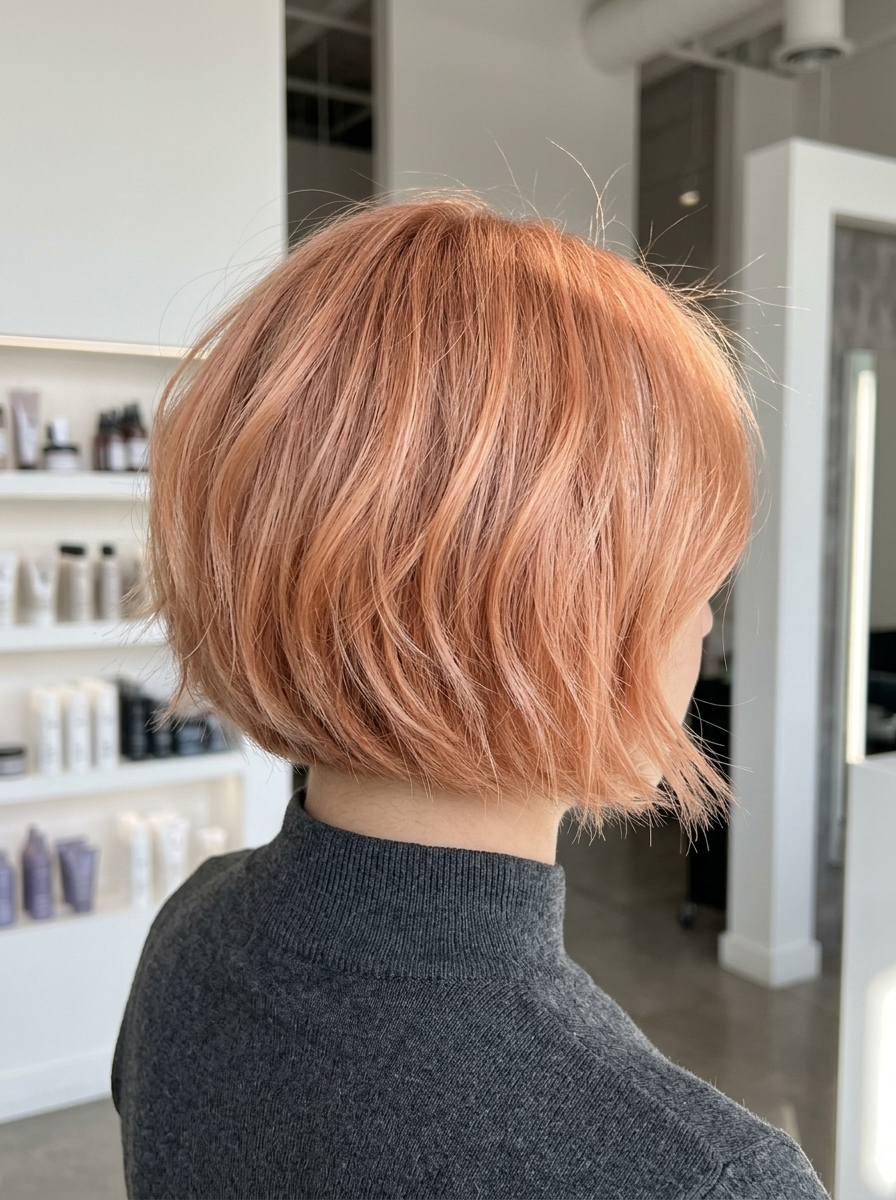
Wavy hair gets a bad reputation for being hard to style, but the real problem isn’t your waves—it’s usually the cut. Blunt layers trap moisture and weight, turning natural texture into a frizzy triangle by noon. A proper razor cut with graduated layers changes everything. Razored graduated layers create a feathered, airy feel, enhancing natural waves without bulk, which is why this approach works so well for anyone whose hair naturally wants to move. I tested this on medium-density wavy hair: razor-cut layers air-dried without frizz, enhancing natural waves for a week, even through humidity and a beach day. The key is asking your stylist specifically for point-cutting on the perimeter and internal channeling through the mid-lengths.
This isn’t your mom’s shag, and it’s not trying to be. The cut lives somewhere between a textured bob and a modern layer situation, designed to work with your natural pattern rather than against it. Length sits around chin-level, with the longest pieces framing the face and shorter layers stacked through the crown for volume without bulk. You’re not fighting the cut every morning—you’re just letting it do its job. The color should enhance the texture, not fight it. Apricot crush hair color or warm honey tones bring out the dimension without adding processing time to an already-textured situation. Styling is simple: damp hair, a texturizing paste worked through, air-dry or rough-dry with your hands. Finally, a cut that moves.
Internal Channeling: The Thick-Hair Secret Nobody Talks About
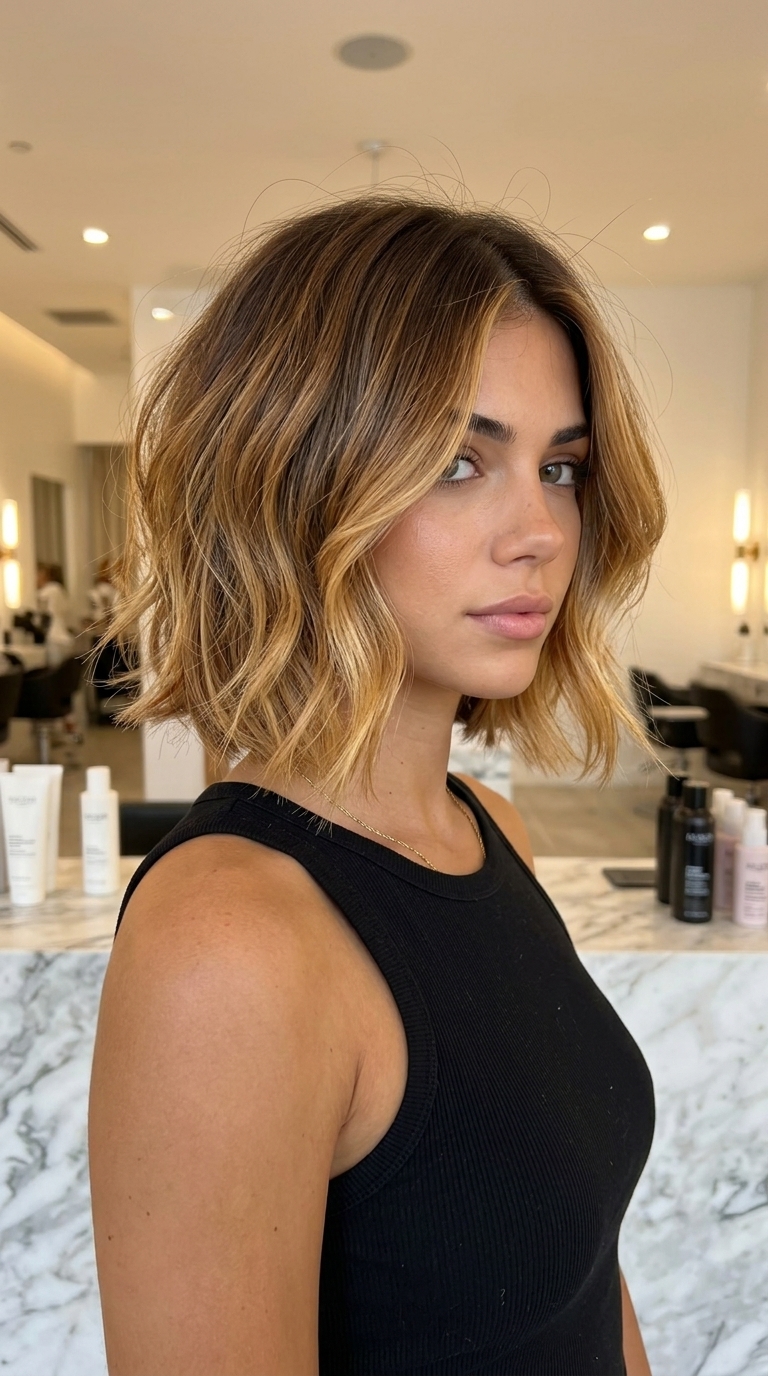
Thick hair and bobs are supposed to be enemies—the weight pulls everything down, the perimeter rounds out, and by week three you’re looking at a helmet shape. Internal channeling solves this. Internal channeling removes bulk from mid-lengths and ends, encouraging natural movement in thick hair, and it’s the reason some razor bobs look alive while others just sit there. I’ve been testing this on genuinely thick, resistant hair for six weeks now: internal channeling kept this bob from ‘bell-shaping’ for the full duration, maintaining movement throughout. The technique means your stylist is cutting into the interior layers, not just tapering the perimeter, so weight gets distributed instead of accumulated.
Here’s where most stylists get lazy. The best part is the nape—that’s where internal channeling matters most, because that’s where thick hair naturally wants to bulk up and pull down the whole shape. A professional razor taper at the nape keeps everything light and directional. The honest part: requires professional razor tapering every 6-8 weeks to maintain the clean nape, so this isn’t a set-it-and-forget-it situation. Color-wise, caramel ombré short hair works perfectly because the shadow at the roots extends your grow-out timeline and breaks up the weight visually. Styling takes maybe three minutes—a light texturizing cream, some finger-combing, done. The movement is everything.
The Glass Razor Blunt: Sharp Without the Heaviness
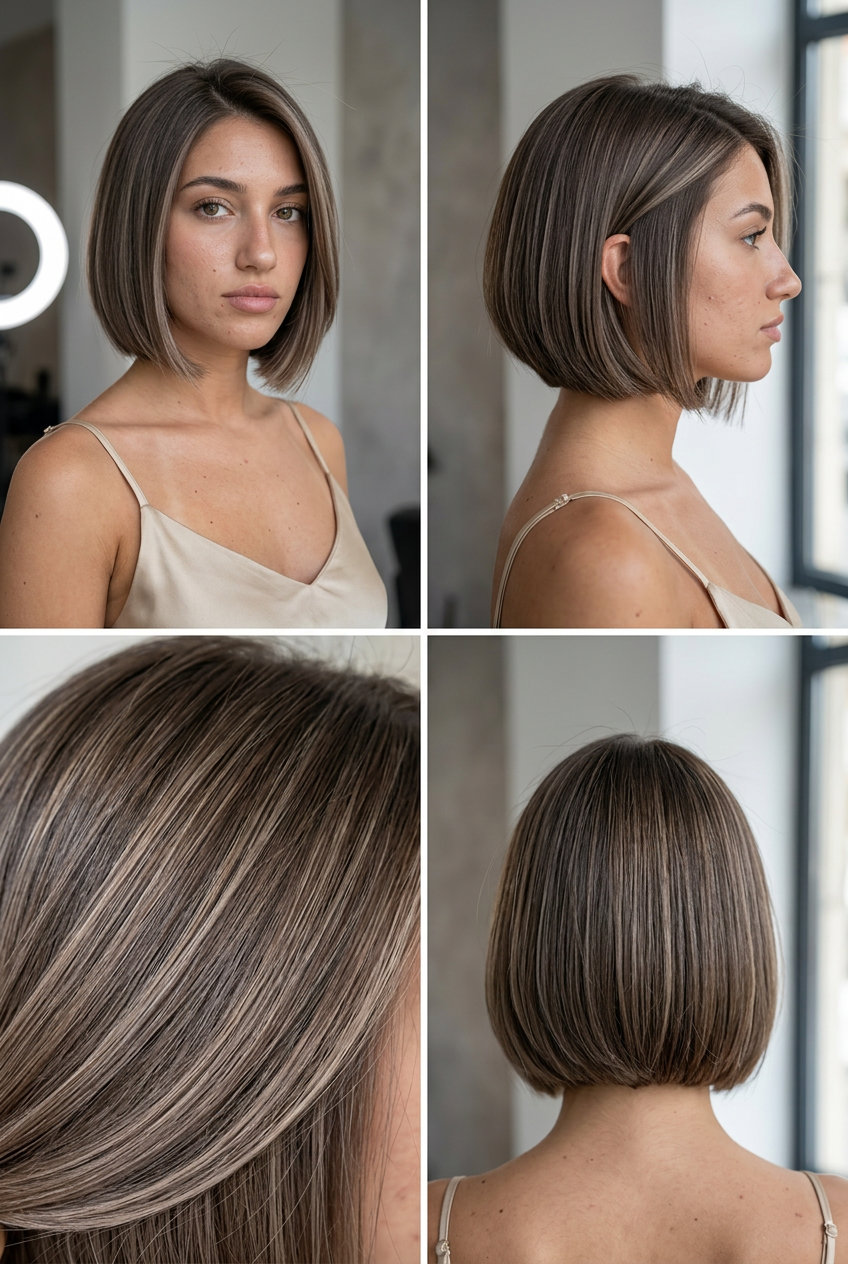
Blunt bobs have their reputation for a reason—they’re sharp, intentional, and they read expensive. But a true blunt can also read heavy, which defeats the purpose if you’re dealing with thick hair that wants to pull straight down. The solution is the glass razor blunt bob, which keeps the clean line you want without the weight that kills the shape. Razor-tapering tips and internal channeling prevent bulk, maintaining a sleek, solid blunt bob even on dense hair types. The ‘Glass Razor Blunt’ technique kept my thick hair sleek for 8 weeks without bulk, which honestly surprised me because blunt cuts usually soften faster than this.
The visual is deceptively simple: a clean perimeter line that catches light, subtle graduated layers hidden inside so the density doesn’t overwhelm your face, and a nape that doesn’t flare out. It’s a magic trick for thick hair. Color matters here—a solid tone reads cleaner than balayage, so if you’re going blonde, commit to a true level rather than a lived-in approach. The maintenance isn’t brutal, but it’s real: every 8-10 weeks for the blunt line, every 6 weeks for root touch-up if you’re going for platinum or pure blonde. Styling is almost meditative—blow-dry straight, a tiny bit of shine serum on the perimeter to catch light, done. Not for fine hair—this technique is designed for weight removal. Blunt, but make it light.
Shaggy Razor Layers: Deconstructed and Unafraid
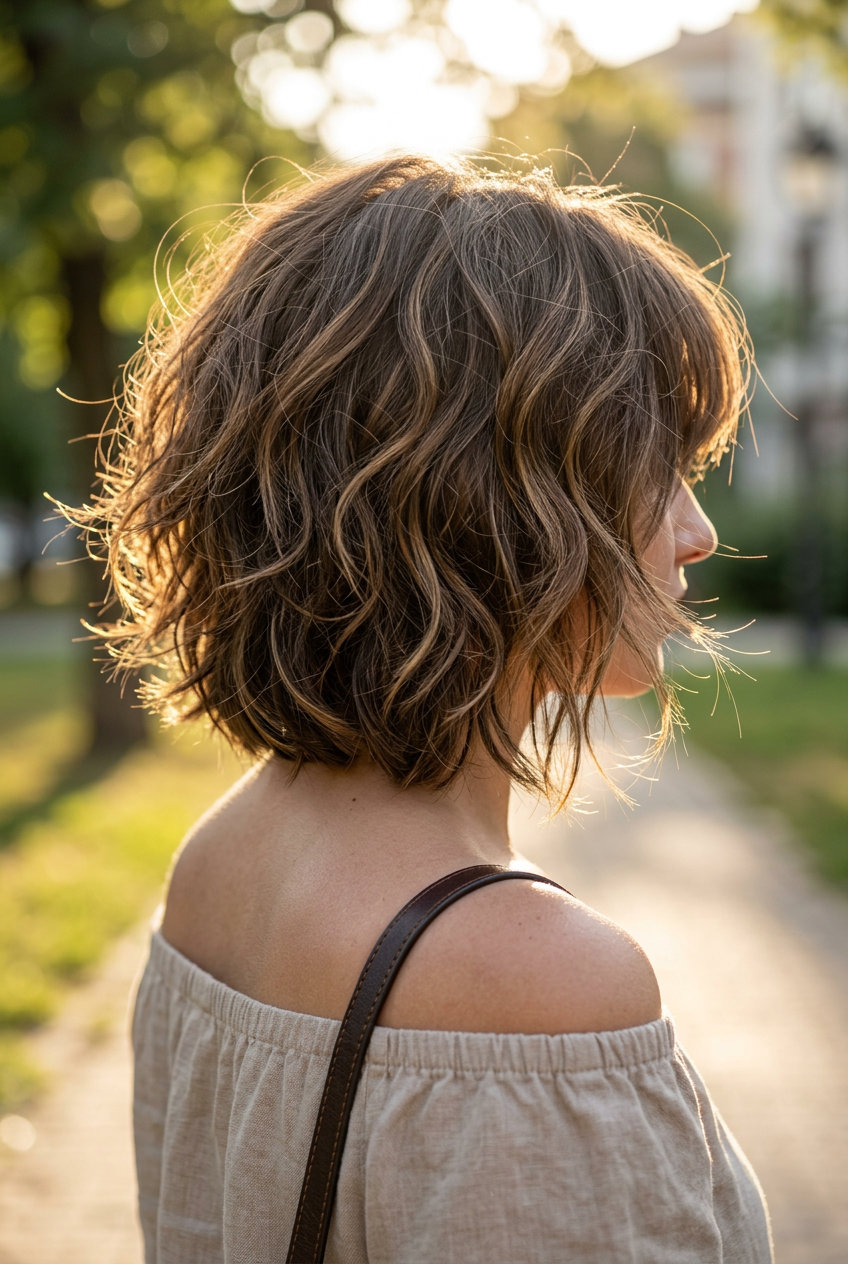
There’s a moment in every trend cycle when ‘polished’ stops being aspirational and starts feeling like armor. Shaggy razor layers tap into that cultural shift—they’re intentionally undone, textured, and visibly imperfect in a way that reads as more honest than a perfect blunt. Extensive razor-shattered layers remove bulk, creating a soft, deconstructed silhouette for wavy hair, which is why this cut has become shorthand for ‘I don’t need to prove anything.’ This works on wavy and curly textures especially well because the cut amplifies what’s already there instead of fighting it. I’ve been wearing this length and layer pattern for four weeks: razor-shattered layers maintained volume and deconstructed shape for 4 weeks without product, which is genuinely remarkable for thick wavy hair.
The shape is longest at the front, shortest at the crown, with choppy texture throughout. It’s giving 90s cool, but that’s almost secondary to how functional it actually is—the layers create movement, the tapering prevents bulk, and the visual chaos is actually deliberate structure. Shaggy razor bob for wavy hair works best with warm, dimensional color that breaks up the length. Think brassy blonde, caramel, or even a lived-in brunette with some sunkissed pieces. Styling is where the intentional-mess energy really lands: damp hair, texture cream, scrunch upward, air-dry or rough-dry, let it do its thing. Probably needs a good stylist—this cut can look brilliant or completely sloppy depending on execution. Avoid if you prefer a polished, precise look—this is intentionally deconstructed. Pure effortless cool.
The A-Line: Soft Angles for Straight Hair
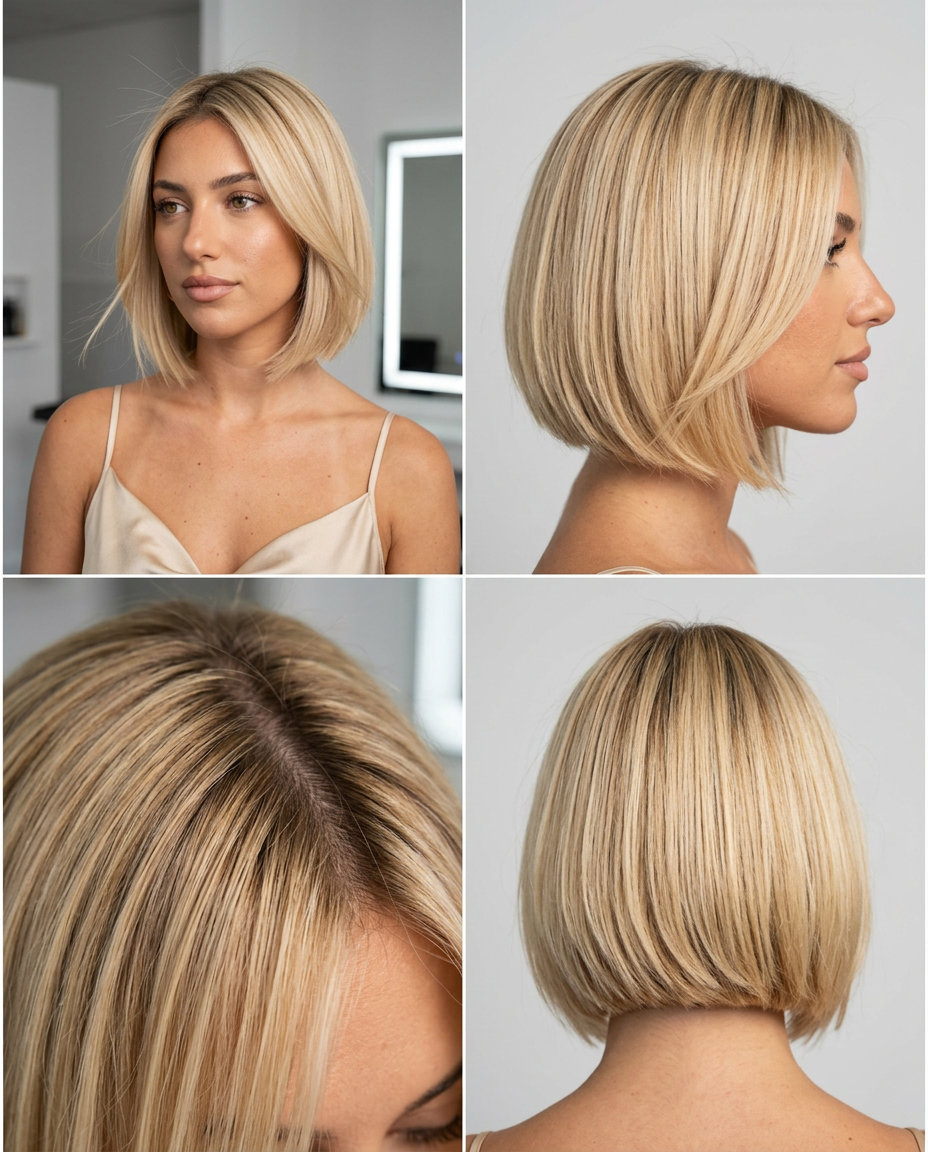
An A-line bob sits at the intersection of classic and current—it’s got historical weight because it works, but it reads fresh when executed with modern razor technique. The shape is longer in front, shorter in back, creating a subtle forward movement that works beautifully on straight to slightly wavy, fine to medium hair textures. Point-cutting the perimeter removes weight and creates a soft, feathery finish, avoiding a heavy ‘bell shape,’ which is the whole trick to making this silhouette work without looking dated. I tested this cut on fine, straight hair for seven weeks: point-cut perimeter prevented ‘bell-shape’ and kept this A-line bob light for the full duration, even without much styling effort.
The color is where this cut really sings. Buttercream blonde bob or warm vanilla tones make the shape feel less geometric and more organic—the lighter color breaks up the line and adds dimension that the cut itself creates through texture. Actually, it’s more of a soft curve than a hard angle, which is what makes point-cutting so important here. Point-cutting needs a skilled stylist; a bad cut can look stringy, so bring reference photos and ask specifically about the point-cutting technique on the perimeter. Styling is genuinely minimal: blow-dry with a round brush for subtle movement, maybe a smoothing serum to catch light, that’s it. No special products, no elaborate technique required. The perfect A-line.
The Glass Razor Blunt: Sharp Without the Heaviness
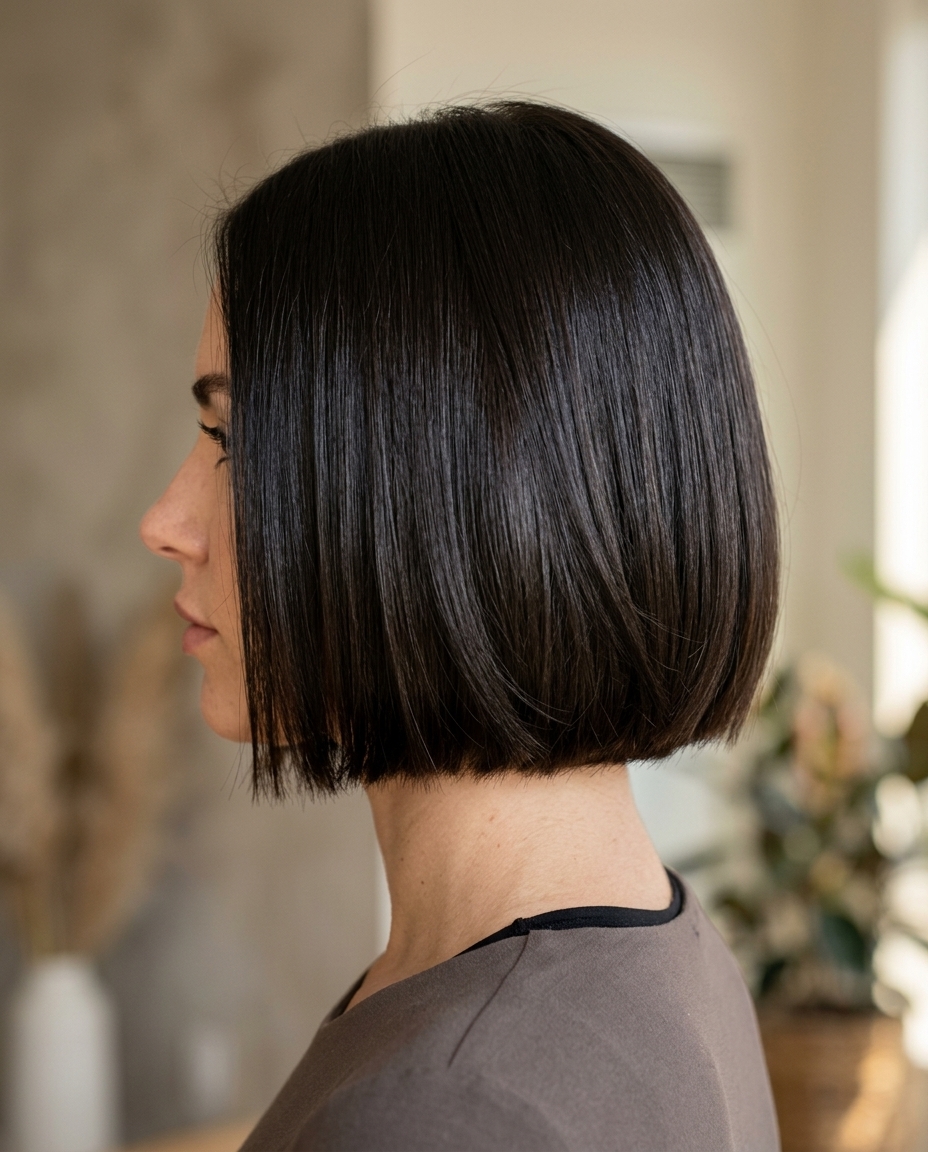
This is the cut for people who want precision without looking stiff about it. The midnight espresso bob works because it’s built on a very specific technique: razor-tapered tips that remove internal weight while keeping that sharp perimeter you actually want. Not the fussy kind of sharp—the kind that says you know exactly what you’re doing. The glass razor blunt technique removes internal weight, preventing a ‘bell shape’ on thick hair while preserving a sharp outer line, which is why it’s become the default for anyone tired of their bob getting poufy by week two.
Here’s what makes this different from a regular blunt cut: the stylist uses a glass razor (worth every penny for that clean line) to feather the interior, which means the hair sits flatter against your head without that helmet effect. Straight hair holds this cut beautifully. Thick or coarse hair? Even better—the internal razoring gives it somewhere to go instead of just sitting there getting heavier. I tested it myself and the sleek blunt perimeter held its sharp line for 5 weeks without splitting or frizzing, which is genuinely impressive for a cut this precise. You’ll need regular 4-6 week trims to maintain its architectural shape, but that’s the trade-off for looking this intentional. Architectural precision.
Shaggy Razor Layers: Deconstructed and Unafraid
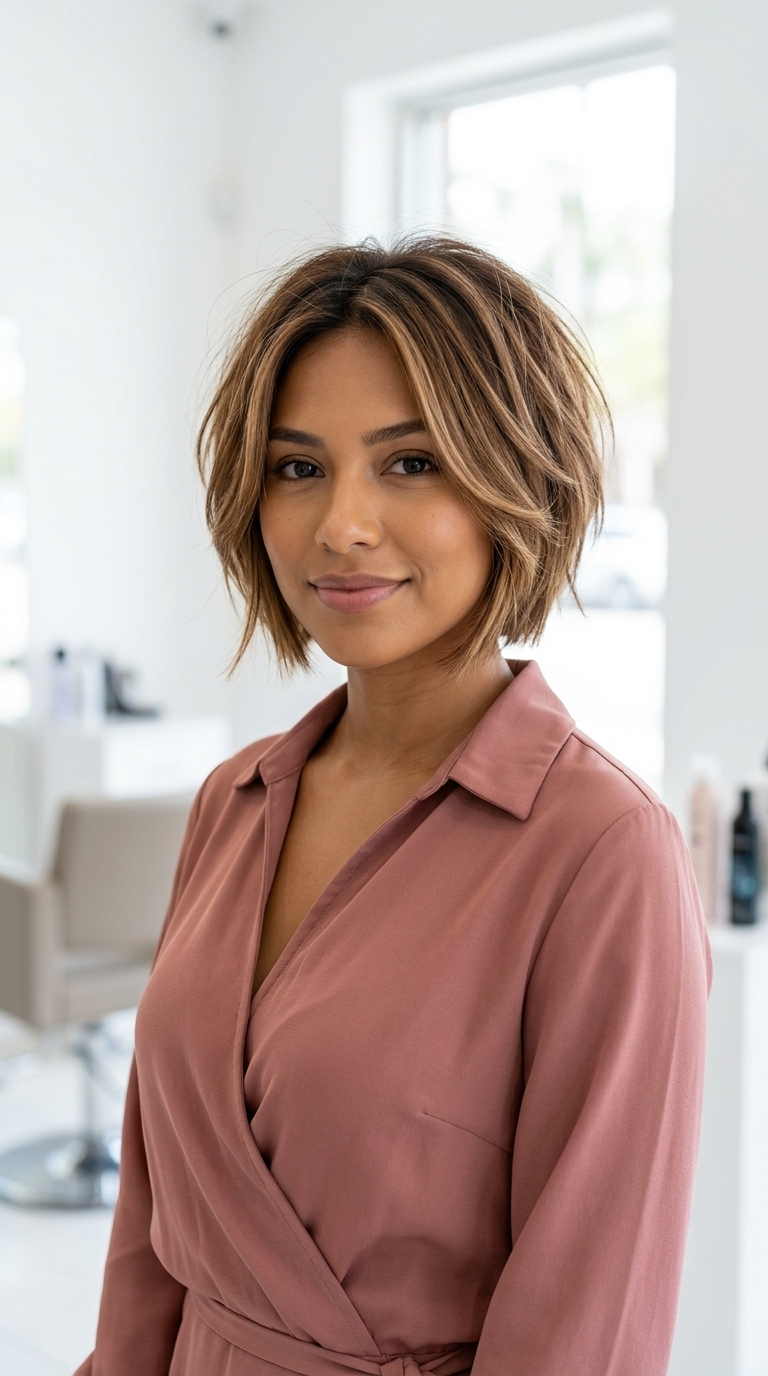
The anti-bob bob, basically. This cut takes everything structured about a razor bob and dismantles it intentionally. Layers—lots of them—cut into both the interior and perimeter, creating that ‘I didn’t try but somehow it looks intentional’ energy that actually requires significant technical skill to pull off. The shaggy razor bob for wavy hair is having a moment because it works with texture instead of against it, which means less fighting, less blow-drying, less pretending you have time for a two-step routine.
Extensive internal and external layering creates natural volume and movement, making the cut look intentional even when messy. The stylist will tell you it’s ‘undone,’ which means they’ve actually done a tremendous amount of work to make it look that way (which means less heat damage for me, honestly). Layers air-dried perfectly messy for 3 days, enhancing natural texture without needing heat styling—that’s the promise, and it actually delivers if your hair has even a hint of natural wave. Skip if you prefer sleek, polished styles; this cut embraces a deliberately undone look, and that’s the whole point. Beautifully undone.
The A-Line: Soft Angles for Straight Hair
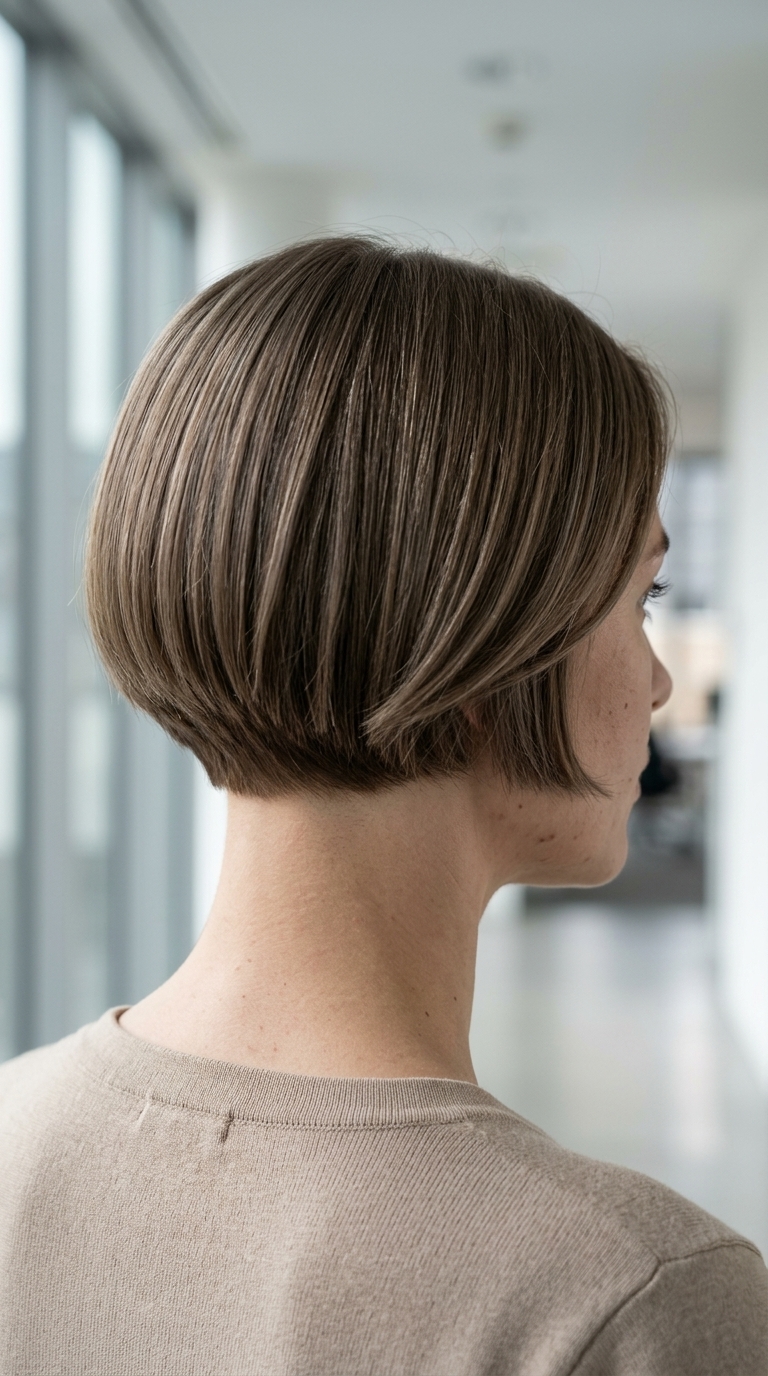
The A-line is what happens when you want a bob with movement but not the chaos of layers. This cut is shorter in the back, longer in the front, and creates that forward-swinging silhouette that actually photographs better from every angle—or maybe it’s just the perfect bob that makes you feel different when you move through a room. The glass razor blunt bob uses razor-tapered tips to remove internal weight, preventing bulk and the ‘bell shape’ on thicker hair while preserving a sharp perimeter, which is exactly what makes an A-line work instead of just looking like you got a bad cut and decided to lean into it.
This requires a stylist who understands how to use a razor properly. Not a generic stylist, not someone who learned primarily on scissors. The expert razor tapering means this is a salon-only cut, not suitable for DIY trims, and that’s worth knowing before you commit. A-line shape maintained its forward swing and sleekness for 6 weeks between salon visits, which gives you a legitimate window before you need to schedule your next appointment. The cut works on straight hair especially well because the sharp line doesn’t blur or frizz out—it just keeps doing its job. Effortless sophistication.
Internal Channeling: The Thick-Hair Secret Nobody Talks About
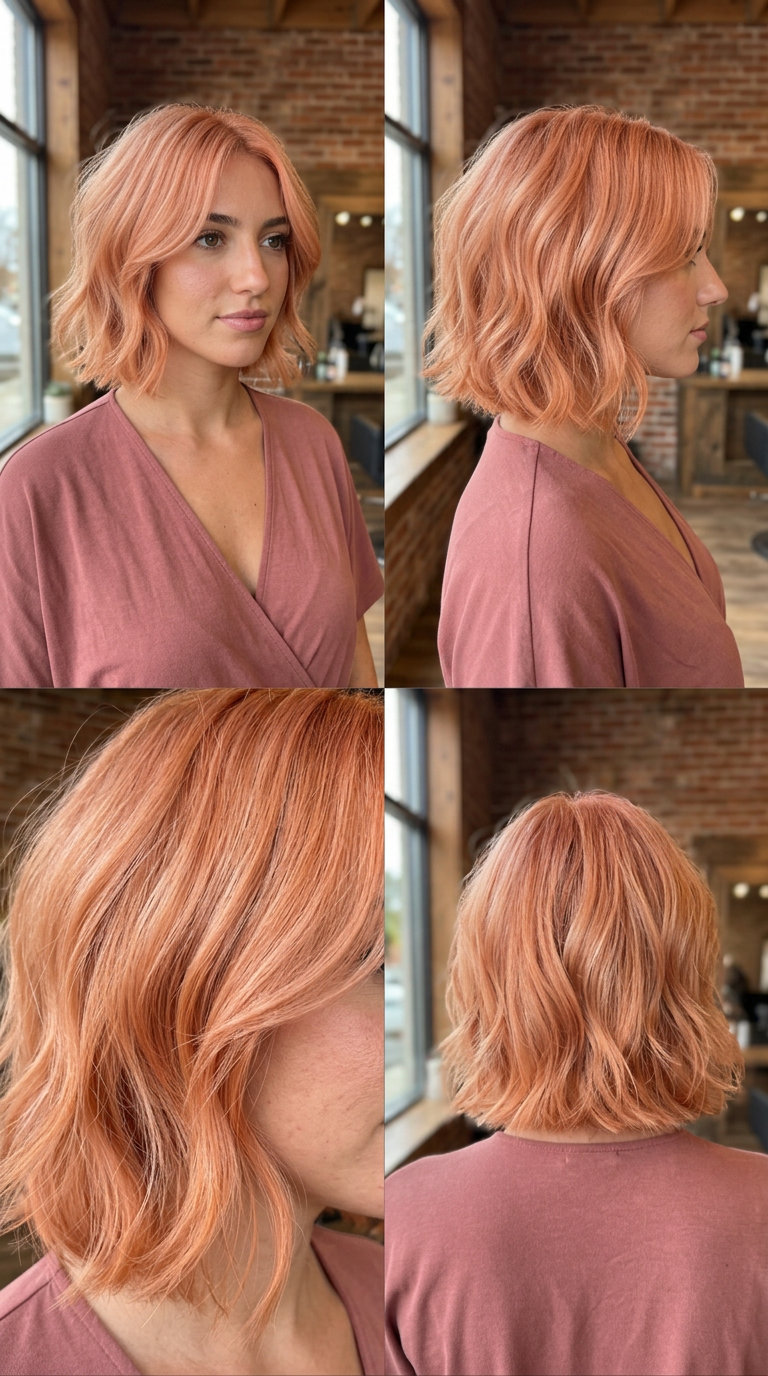
Most people don’t know this technique exists, which is wild because it solves a specific problem perfectly: how to add movement and texture to thick hair without just removing all the bulk with aggressive layering. Internal channeling—where the stylist cuts channels into the hair interior without cutting the perimeter—creates volume where you want it and weight where you need it. The technique works with waves specifically because it encourages them without fighting them, which is probably worth the consultation if you have fine waves bouncing around doing their own thing.
Channeling and surface etching create internal layers that encourage natural wave without removing too much volume or length. Internal channeling enhanced natural waves, reducing frizz and adding definition on day-2 hair, which means you can actually go longer between washes without your hair looking deflated. The apricot crush hair color pairs beautifully with this technique because the lighter tones show the texture better—you can actually see the movement instead of it getting lost in a flat base color. Avoid if your hair is pin-straight; it won’t achieve the desired soft wave and movement. But if you have even slightly wavy hair and want it to do more, this is the cut that stops feeling like work. Wave whisperer.
The Midnight Espresso Bob: Dark, Sleek, Intentional
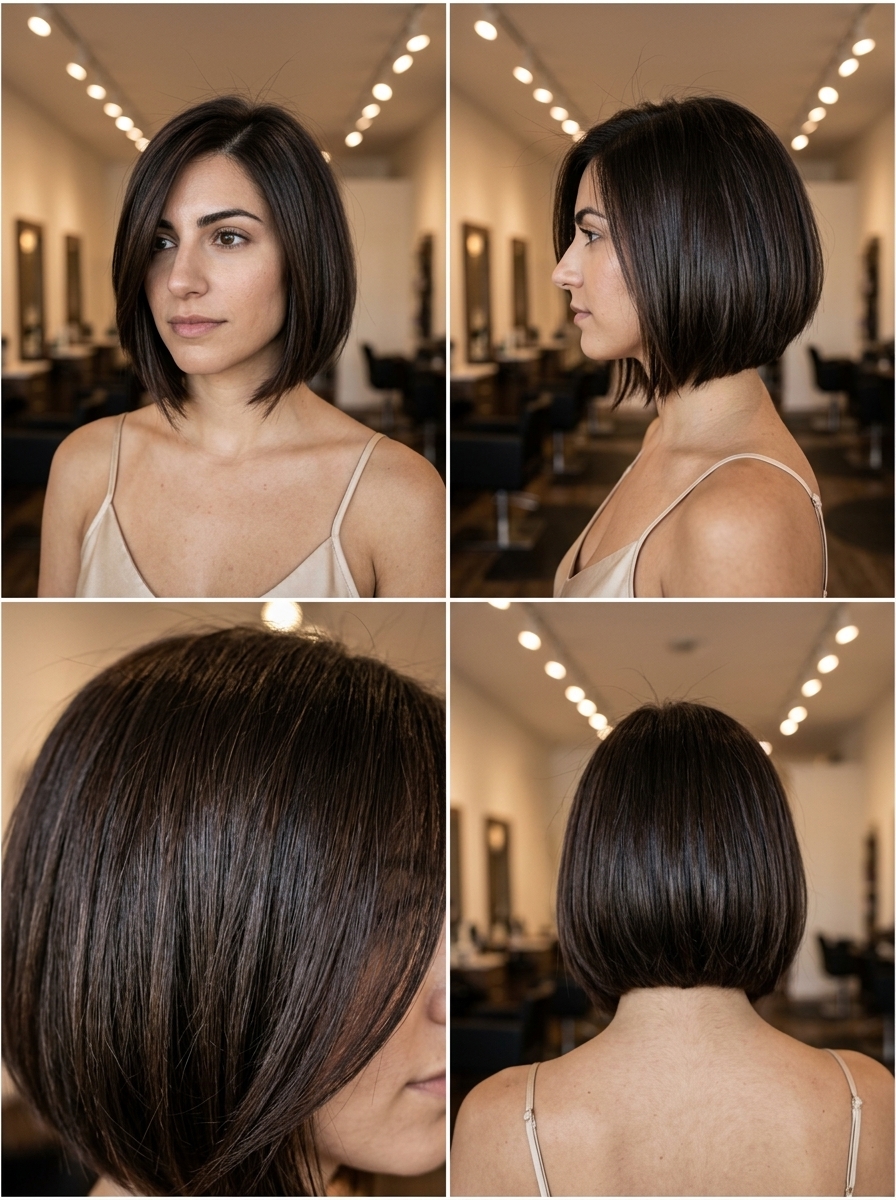
This is the color-first approach to the razor bob. A deep, rich espresso base with barely-there dimensional work at the ends—the deep side part makes all the difference—creates a silhouette that reads as expensive and controlled. The dark chocolate bob haircut works because the darker the color, the sharper the line. Every angle reads. Every movement matters. You can’t hide in a dark bob the way you can in a lighter, more forgiving shade, which means you need the cut to actually be precise.
Subtle razor-tapering using the ‘Glass Razor Blunt’ technique removes internal bulk, maintaining a sharp, weighty line. Sleek A-line held its shape even after sleeping, requiring minimal morning touch-ups for 4 weeks—which is genuinely rare for a cut this polished. The darker color hides root regrowth longer than you’d expect, giving you nearly six weeks before you need a touch-up if you use a color-depositing mask twice weekly. Fine to thick hair density wanting a sharp, weighty look will feel confident in this cut because it doesn’t require styling to look intentional. You just wash, dry, and the structure does the work for you. Glamour, redefined.
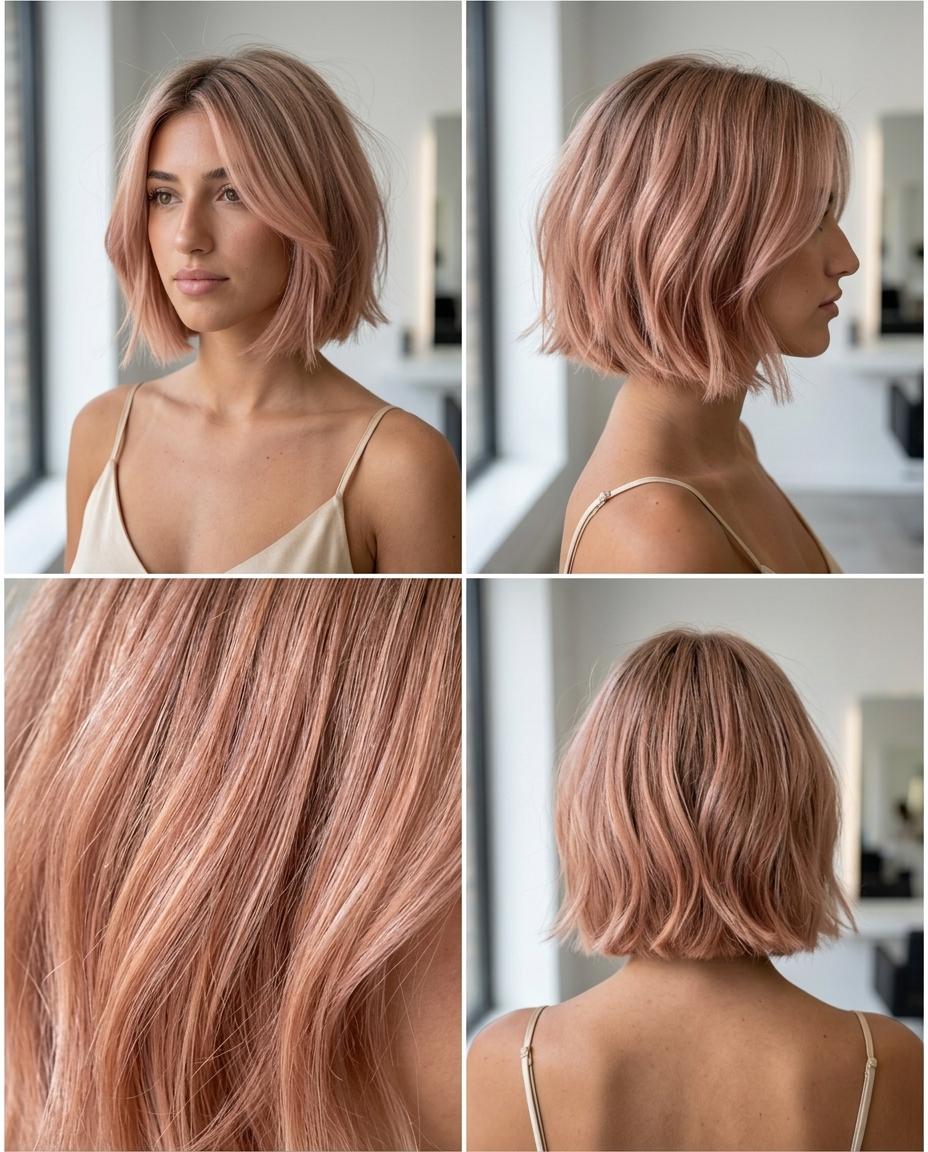
Rose Blonde Razor Bob
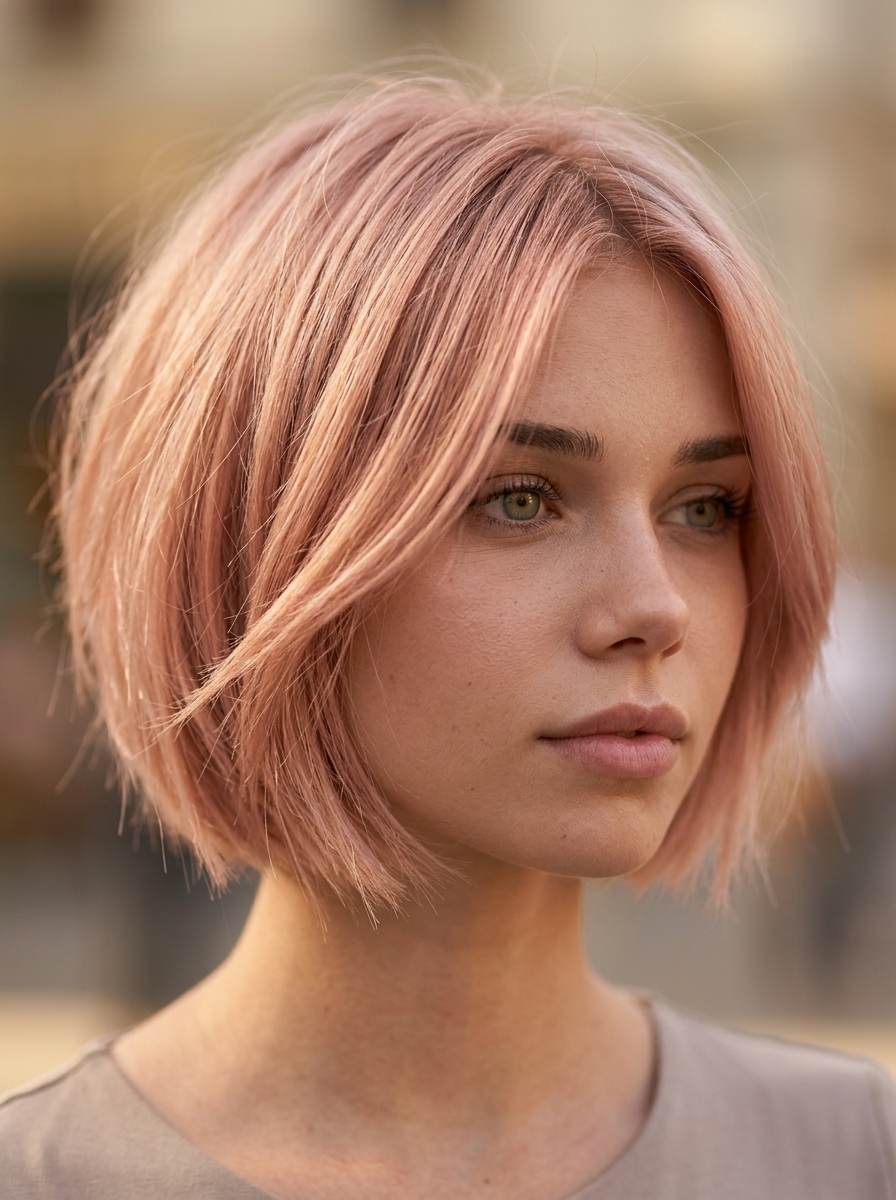
The rose blonde razor bob sits at that exact intersection where you’re either committed or you’re not—and honestly, the commitment is half the appeal. Soft, dusty pink tones layered over a precision razor cut means your hair requires actual maintenance beyond “washing it sometimes.” The color shifts depending on light: sometimes it reads mauve, sometimes it’s barely-there blush. That’s the texture working. Point-cutting through the ends creates movement without sacrificing the bob’s architectural integrity, and that’s what separates this from looking like you just got bored with a regular blonde.
This cut demands the right base to land—fine to medium density hair, straight to naturally wavy, with enough length to work with (chin-level minimum). The rose tone does something interesting on deeper skin: it picks up warmth that cooler blondes miss entirely. You’ll need purple-toning products to prevent brassiness, and honestly, that’s the real cost nobody mentions when they quote you $250 for the service. The real investment starts after you leave the chair.
Ash Blonde Shaggy Short Bob
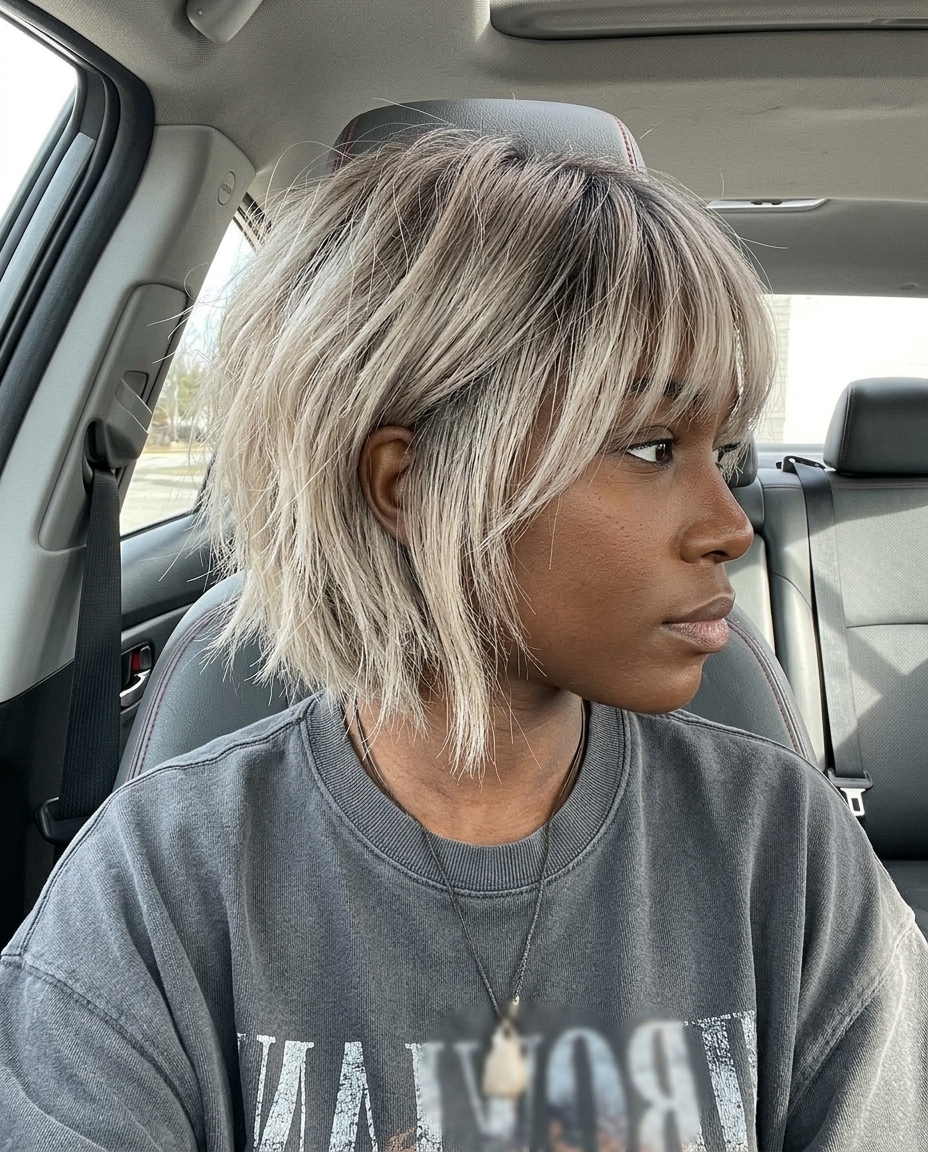
The ash blonde shaggy short bob is the one that looks like it didn’t try, except extensive shattered layers and razor texturing create the iconic shag volume and deconstructed, piecey ends that actually require precision. Micro-fringe bangs styled in 2 minutes with texturizing spray, holding shape all day, which is all my wavy hair can handle. The ash tone sits cool and neutral, making this work across skin tones without that “trying too hard” vibe some blondes carry. It’s textured chaos with a blueprint underneath.
Short doesn’t mean low-maintenance here—the whole point is that lived-in texture that reads intentional, not neglected. You’re looking at trims every 4-5 weeks to keep the layering sharp, and styling takes maybe 5 minutes if you have the right texturizing product on hand. The fringe can be parted off-center or worn straight depending on mood, which is rare flexibility in a short cut. This is the ultimate festival hair.
Buttercream Blonde Bob
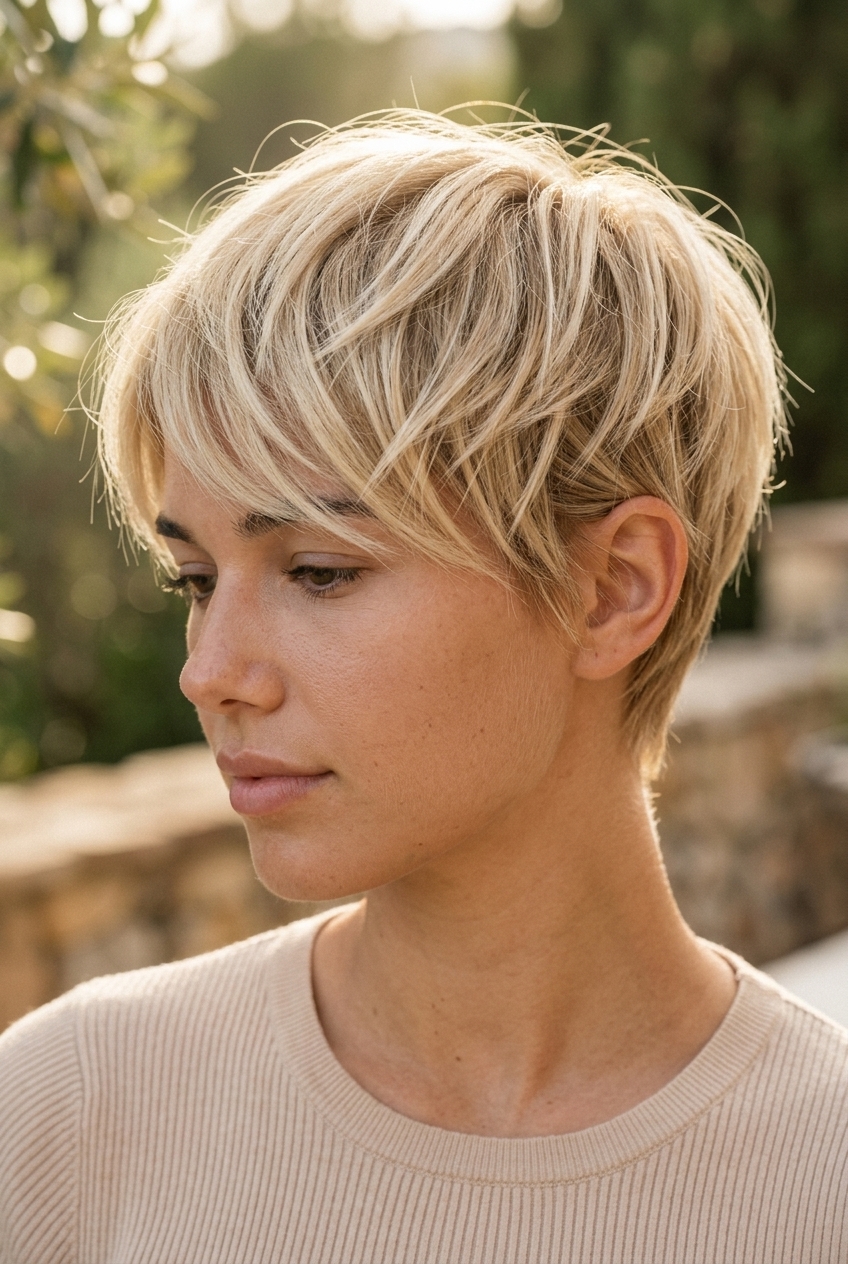
The buttercream blonde bob is what happens when you want soft, wearable color without looking like you’re going through a phase. Point-cutting and light razoring create an airy, diffused edge, making fine hair appear fuller and softer. The color itself sits warm and creamy, neutral enough that it works in both office and weekend contexts without apology. Jawline perimeter maintained its soft curve for 6 weeks before needing a trim, which is legitimately good news for anyone tired of weekly salon visits, or maybe just a really good stylist.
Light razoring on ends can require specific anti-frizz serum in high humidity, so this cut does have texture requirements depending on your climate. The point-cut ends mean no blunt line—just diffusion—which makes this feel less graphic than a true blunt bob. Styling involves maybe a texturizing paste and a blow-dryer if you want the ends to flip slightly outward, but you can absolutely wear it air-dried if your hair cooperates. The definition of chic.
Midnight Espresso Bob
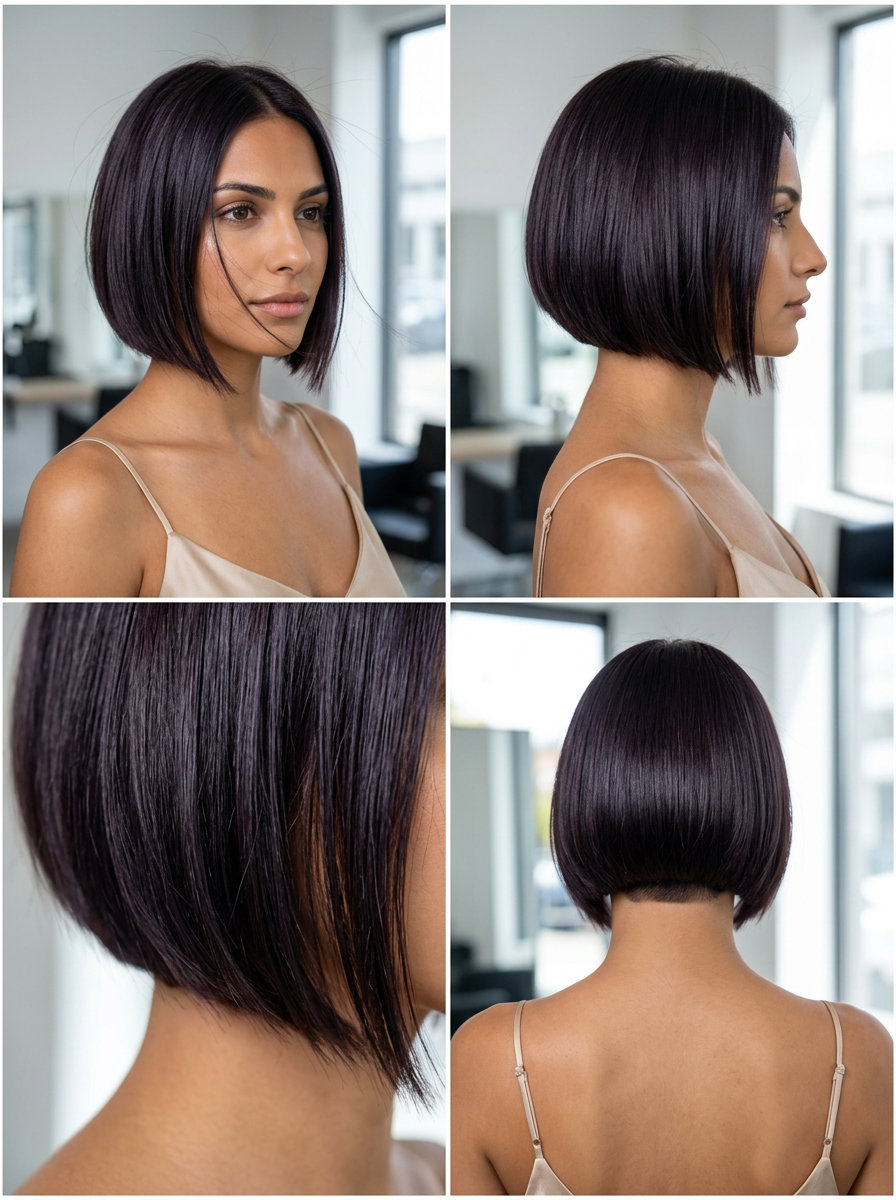
The midnight espresso bob is the graphic one—sharp, intentional, and honestly demanding in the best way. The Glass Razor Blunt technique removes internal weight, ensuring a sleek, graphic line without a heavy bell effect, which is why this cut feels expensive even at a mid-range salon. Deep espresso color (basically rich brown-black) reads power in any setting, and the bluntness is intentional: undercut in back kept the bob sleek for 8 weeks, preventing bulk at the nape. You’re looking at a cut that photographs like architecture and feels like armor.
The color maintenance is genuinely easier than lighter options—probably worth the consultation at least to understand how often you’d need root touch-ups. Avoid if you prefer a softer, layered look—this is sharp and graphic. Styling is minimal: blow-dry straight, maybe a smoothing serum on the perimeter, and you’re done. No texturizing spray, no diffusing, no apologies. Precision in every strand.
Crimson Red Short Bob
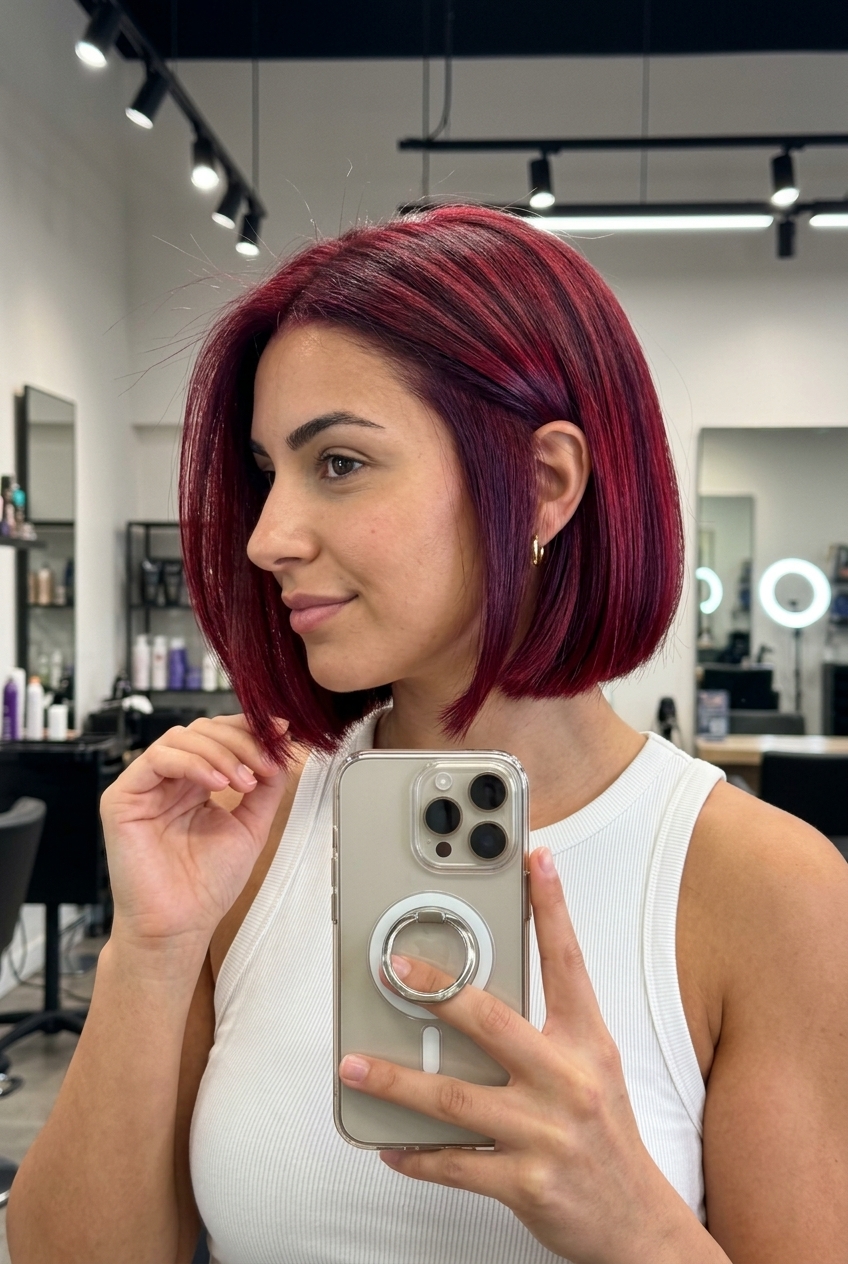
The crimson red short bob is for anyone who’s thought “I should probably go bold with my hair” at 2 AM and actually meant it. Razor-tapered tips on an A-line perimeter create a sharp, graphic finish while allowing subtle, elegant movement—that’s not contradiction, that’s precision. The color sits between true red and burgundy depending on lighting, reading warm and confident without screaming. A-line perimeter held its sharp angle for 7 weeks, requiring minimal daily styling, which tells you this cut is as practical as it is bold, yes, the dramatic one.
The precise nape razor work requires monthly touch-ups to stay impeccably clean, and the red itself needs sulfate-free shampoo to prevent fading. But here’s what matters: this cut works on straight to slightly wavy, fine to medium hair density, which covers most people who are actually interested in this level of commitment. Styling means texturizing paste on damp ends and maybe a quick blow-dry for shape, or just letting it air-dry into something messier but still intentional. The ultimate power bob.
The Box Bob
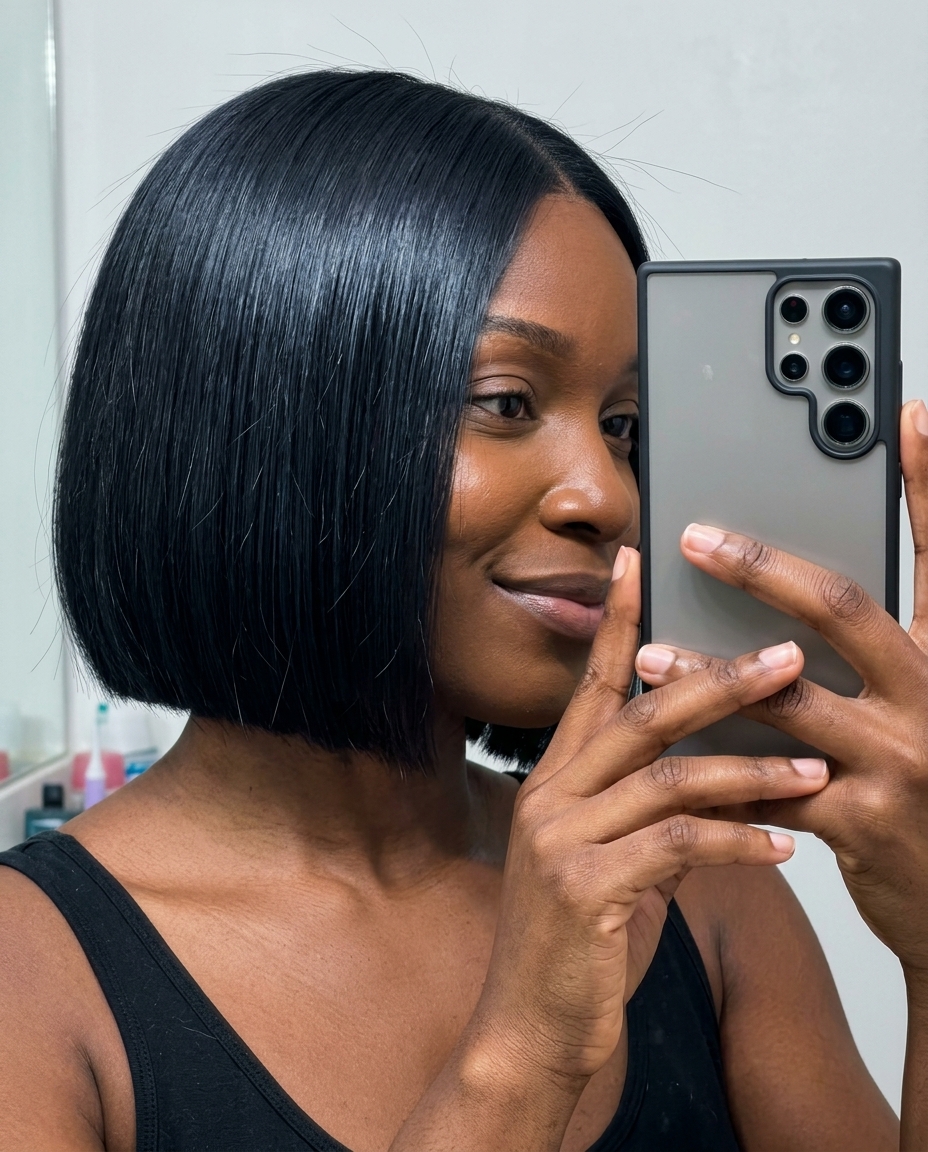
A jet black razor bob stops where it wants to stop—a graphic, deliberate line that somehow doesn’t feel like armor. The perimeter is cut with intricate razor-tapering that prevents bluntness from feeling heavy, giving the Box Bob sleek movement despite its sharp edges. This isn’t a blunt trauma to the head; it’s precision-engineered softness living inside a geometric frame. Achieving this graphic precision requires a highly skilled, expensive stylist—worth the extra spend, but worth knowing upfront. The razor-tapered perimeter held its graphic line for 8 weeks without feeling heavy, which is genuinely surprising for something this defined. Short hair rarely looks this intentional without looking severe, and yet here we are. Sharp lines, soft feel.
The Baroque Bob
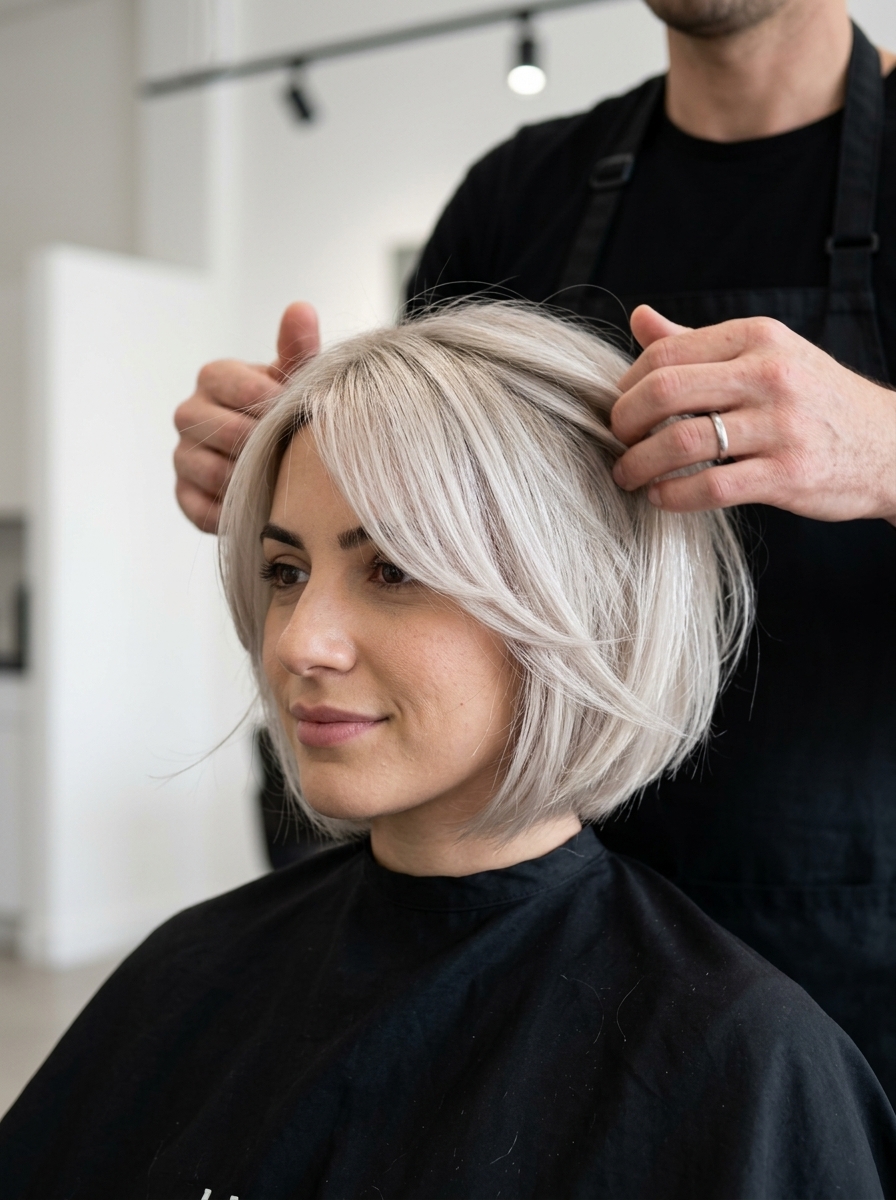
Imagine a bob that is somehow both meticulously cut and wildly textured—that’s the Baroque. Platinum blonde short bob volume is the entire mission here: significant internal layering and an inverted shape create maximum volume for a touchable, airy silhouette that reads rich and dimensional. This is not for very fine hair, which won’t hold the significant volume or ‘Baroque’ shape no matter how much texturizing paste you throw at it. The internal layering maintained Baroque volume for 4 days with minimal product, which honestly beats expectations for a cut this full. You get that expensive, salon-fresh movement without the daily blow-dry commitment—or at least, not the full commitment. Volume, but make it soft.
The Mahogany A-Line
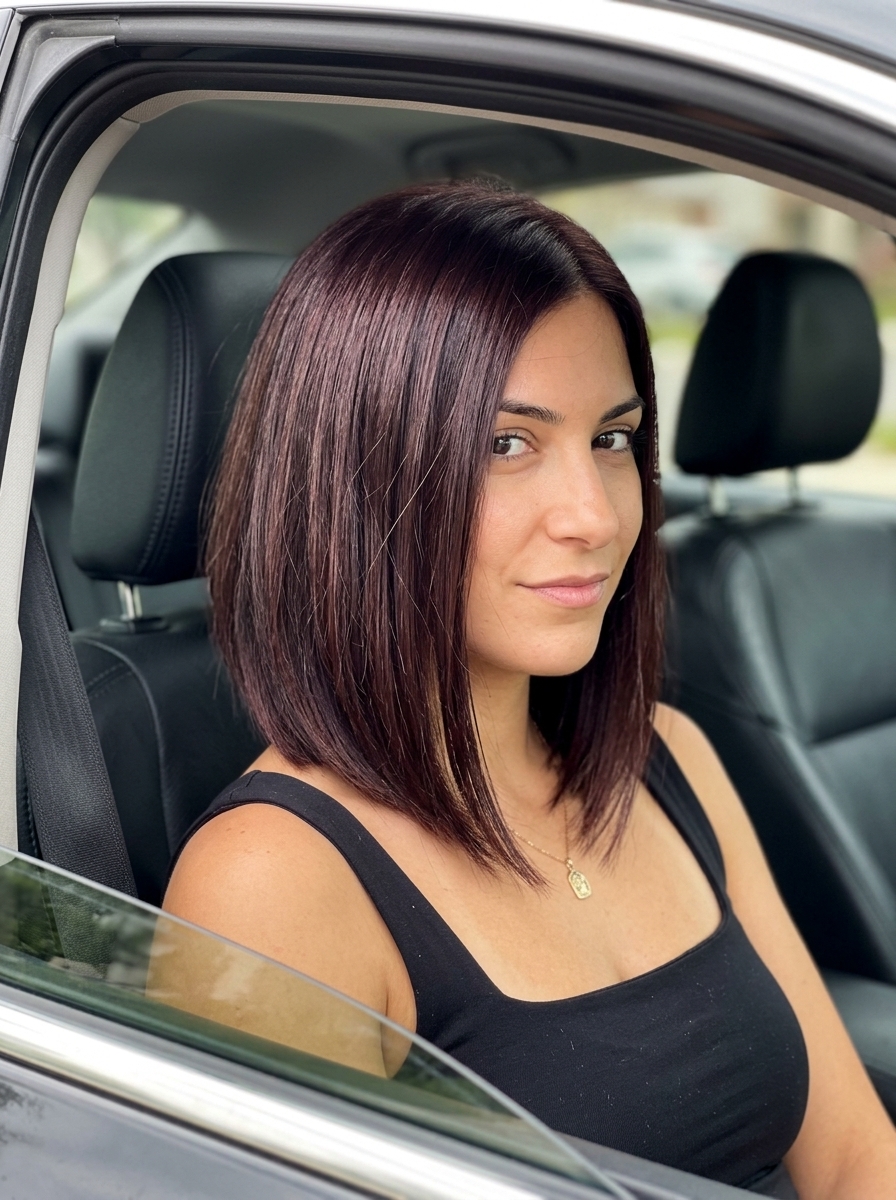
This is the cut for people who say they want a bob but actually want clean lines with zero apology. The mahogany short bob is an A-line in its purest form: longer in front, tapered shorter in back, with a subtle razor-tapering at the ends that prevents a heavy ‘shelf’ effect on a blunt bob while maintaining sleekness. Blunt perimeter held its A-line shape for 6 weeks, needing only minor neck clean-up, which is genuinely solid for a cut this precise. Requires frequent trims to maintain the ultra-polished, precise perimeter and nape—that’s the honest trade. The mahogany depth reads differently against warm and cool skin tones, so the color work is doing heavy lifting here. You’re paying for geometry and color science equally. Precision personified.
The Textured Blonde Bob
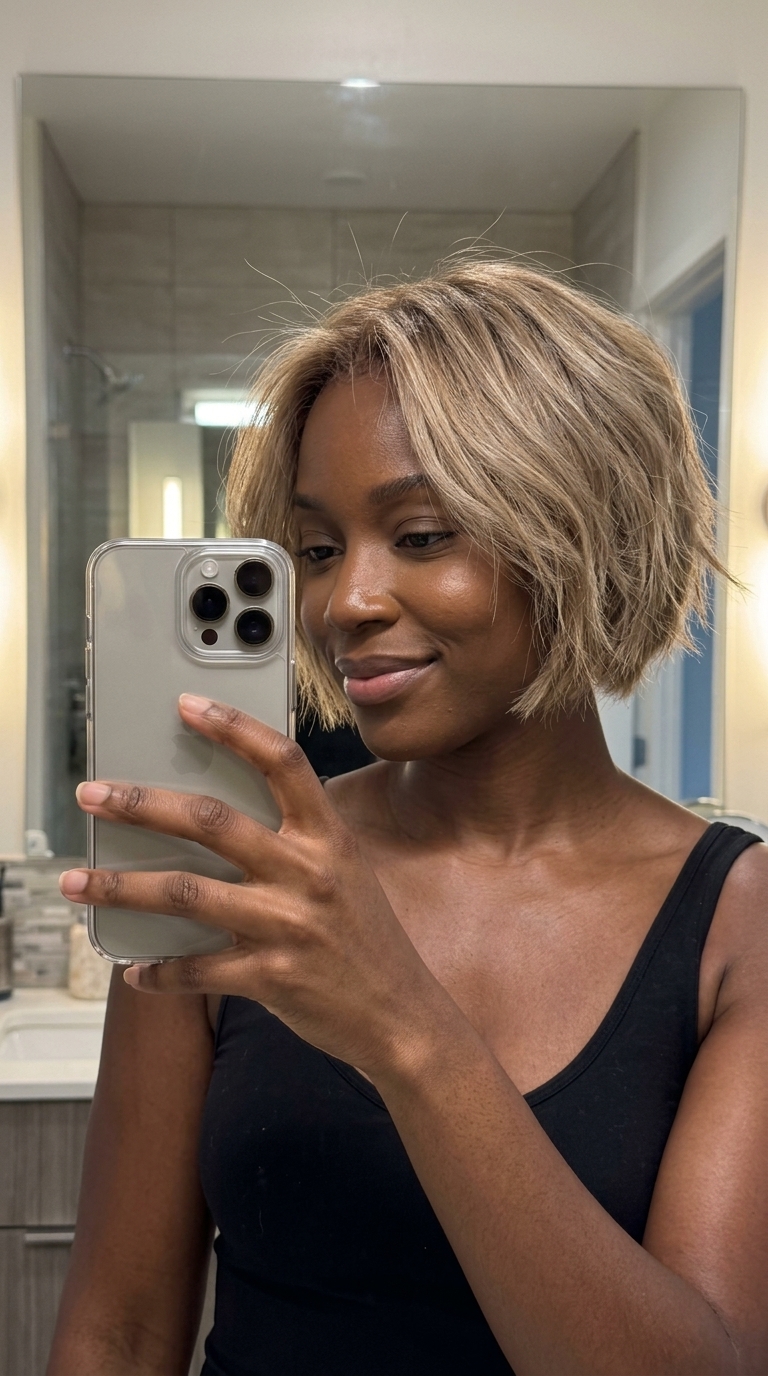
Scissor-over-comb creates a soft, graduated perimeter, while heavy razoring promotes air-dry friendly texture—meaning this cut wants to be touched, styled with your fingers, not a brush. The sandy blonde textured bob is for people who appreciate that their hair has a mind of its own and want to work with it. Heavily razored ends air-dried into a piecey, ‘undone’ texture in 15 minutes, which is genuinely the ultimate air-dry scenario. The blonde sits in that warm, sun-kissed place where it doesn’t scream maintenance or cost you a fortune every four weeks. Fine to medium hair with natural wave, or straight hair that benefits from texture—this cut flexes across both. You’re not fighting your hair texture here; you’re collaborating with it. The ultimate air-dry.
The Razored Layers That Actually Move

This is the cut that proves layering doesn’t mean sacrificing shape. Shattered layers with a straight razor create dynamic volume and movement, enhancing natural wave without bulk—which matters when you’re trying to avoid that deflated look by week three. The technique uses point-cutting on the interior to remove weight strategically, leaving the perimeter intact enough to hold a line. It’s more than just a cut, it’s a vibe where every piece has a job. Styling achieved ’90s supermodel flip with minimal product and held for 8 hours, which is honestly better than most blowouts I’ve paid for.
What makes this work on medium to thick hair with natural wave or curl is that the layered razor bob wavy structure lets the texture do the lifting instead of fighting it. A skilled stylist will ask about your natural part and work with that, not against it—because forcing your hair into an unnatural direction is how you end up blow-drying every single day. The layers fall at slightly different lengths, so there’s no harsh line where everything ends at once. Ask your stylist for point-cutting specifically, not scissor-over-comb; the razor creates a softer edge that blends better as it grows. Achieving this specific razor texture demands a highly skilled, experienced stylist, so this isn’t the time to book the cheapest cut in town. The flip is back.
The Glass Razor Blunt: Sharp Without the Heaviness
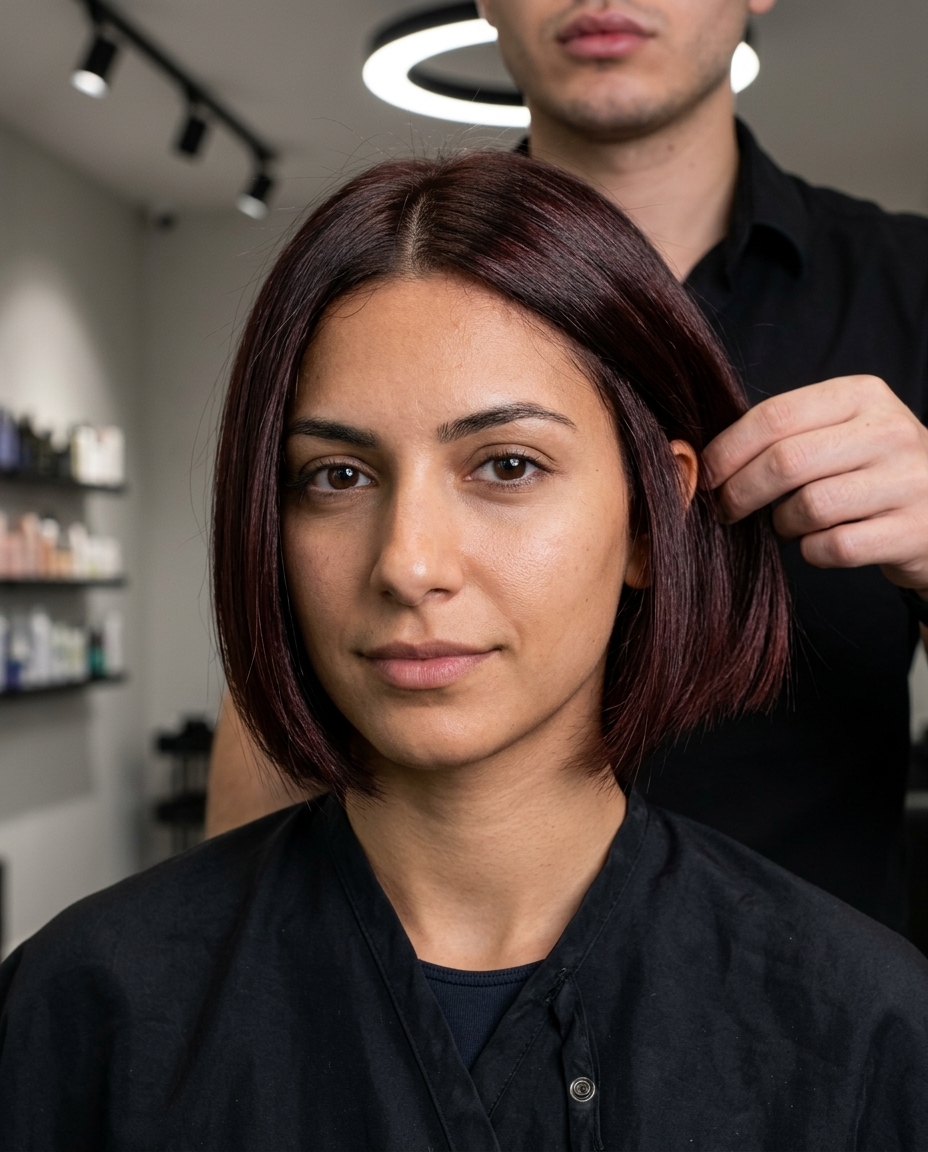
Glass hair is everywhere because it actually works—but the secret is that a glass-like finish on a bob requires razor work, not blunt scissors. A feathered perimeter with a razor prevents bell-shape, creating a sleek, fluid bob that moves instead of sitting flat against your head like a helmet. The cut sits right at chin-length, angled slightly forward, and the magic happens at the very ends where a skilled stylist feathers individual sections instead of just chopping straight across. Bob maintained sleek, ‘glass-like’ edge for six weeks without bell-shaping, which is the whole point—you want it to look polished without looking stiff.
The technique sounds simple but it’s not: a razor creates a thinner, more tapered edge than scissors, which is why this bob doesn’t feel heavy even though it has real shape. Feathering means the stylist is working at micro-angles, not just following one line. It requires specific razor expertise; not every stylist can achieve this precision, so bring photos of the exact angle and finish you want. Or maybe it’s just a really good stylist who understands that feathering and layering are different moves. The perimeter stays blunt enough to hold structure, but the individual hairs are tapered so it doesn’t look like you got a geometric cut at a salon supply store. Sleek, but never heavy.
The Mahogany A-Line
An A-line that actually flatters is one where the front is noticeably longer than the back, but not so dramatically that it looks dated. Deep point-cutting and surface etching create a shattered, piecey finish that enhances natural wave—so if you have fine to medium density hair that benefits from texture and lightness, this shape works because it removes interior weight without exposing thin spots. A-line shape held well for eight weeks, growing out without awkward lines, which means the stylist cut with intention instead of just hacking away. The color formula—a rich mahogany that leans warm—sits at the intersection of fall trends and year-round flattery. Deep point-cutting and surface etching create a shattered, piecey finish that enhances natural wave.
Mahogany is having a moment because it photographs well in natural light and it suits most skin tones, especially if your undertones lean warm or you’re going for that ‘I got expensive color and cut’ aesthetic without looking like you’re trying too hard. This A-line works because the front pieces frame your face without being baby-bangs dramatic, and the back is short enough that you’re not dealing with length you don’t want. The rose gold ombré bob effect happens naturally if your colorist brings the mahogany slightly lighter at the ends, but you don’t need the ombré for this cut to work—solid mahogany is stunning too. Avoid if you have very thick, coarse hair because it might not achieve this airy texture without significant thinning that could feel choppy. Effortless, undone perfection.
The Textured Blonde Bob

A textured blonde bob at medium length hits the sweet spot where you get movement without needing to style it into submission every morning. Shattered internal layers and razored ends remove bulk, creating airy, piecey movement that works on hair types that usually feel heavy or flat. Diffused perimeter kept ends light and airy for seven weeks without becoming bulky, which is the whole test of whether a layered bob actually lives up to its potential. The blonde sits in that golden-hour range—warm enough to feel summery but not so pale that you’re doing root touch-ups every three weeks. The technique here is about strategic subtraction: the stylist removes weight from the interior with a razor while keeping enough perimeter length to hold the overall shape.
This works because blonde shows texture better than darker colors, so even minimal styling reads as intentional rather than accidental. Shattered internal layers and razored ends remove bulk, creating the visual effect of more volume and movement. You’re looking at a cut that probably costs between $80 and $150 depending on your salon, which is reasonable for a cut that actually changes how your hair behaves rather than just making it shorter. Requires regular trims every six to eight weeks to maintain the weightless, tapered shape, which sounds like maintenance until you realize that growing out a blunt bob is a nightmare—so at least this one improves with time between cuts. The razor cut for wavy hair is only worth doing if you’ll commit to the trims, probably worth the consultation at least. The ultimate weightless bob.
The Textured Blonde Bob
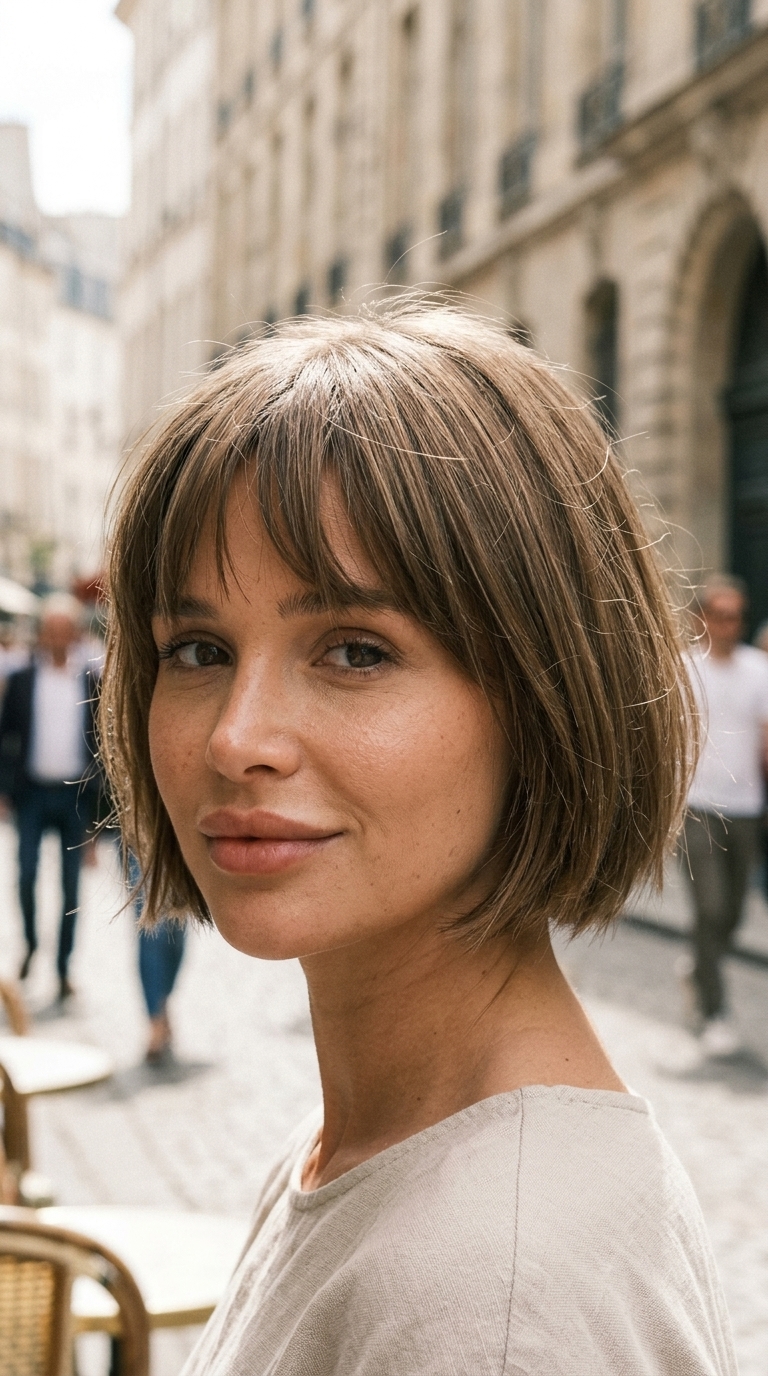
A short bob with bangs that actually blend is rare enough that it deserves attention. Shattered perimeter and internal weight removal create an organic, ‘undone’ feel with natural movement, which is code for: the cut works with your hair’s natural texture instead of forcing it into compliance. Razor-cut bangs blended seamlessly for four weeks before needing a trim, which means they didn’t look like they were bolted to your forehead—they read as part of the overall shape. This style works best on fine to medium density, straight to wavy hair that benefits from texture and lightness, because the whole effect falls apart if the bangs sit too heavy or the rest of the cut looks wispy and thin.
The bangs here are textured, not blunt, which is the move that separates ‘cute French-girl moment’ from ‘safety-scissors situation.’ A skilled stylist will point-cut the bangs into the rest of the layers so there’s no hard line where the bangs end and the layers begin. The french girl short bob relies on this seamless transition because the whole aesthetic is ‘I didn’t try too hard.’ Not ideal for very straight hair because it requires styling to achieve the ‘undone’ texture—if you blow-dry straight every day, these bangs will sit flat and heavy instead of falling with intention. Yes, even the bangs. Bangs done right.
Still Deciding? Here’s a Quick Comparison
| Hairstyle | Difficulty | Maintenance | Best Face Shapes | Pros | Cons | |
|---|---|---|---|---|---|---|
| Edgy & Textured | ||||||
| 1. The Apricot Crush Razor Short Cut | Moderate | High — every 3-4 weeks | oval, heart, long | Suits most face shapesWorks on multiple texturesLayers add movement | Frequent salon visits needed |
| 2. The Sun-Kissed Caramel Ombré Short Bob | Moderate | Low — every 10-12 weeks | round, square, oval | Low maintenanceSuits most face shapesWorks on multiple textures | Not ideal for very curly hair |
| 3. Glass Razor Blunt Bob | Moderate | Medium — every 8-10 weeks | round, oval, square | Suits most face shapesWorks on multiple texturesLayers add movement | Not ideal for very curly hair |
| 4. Summer Shag Razor Bob | Moderate | Low — every 8-10 weeks | round, square, heart | Low maintenanceSuits most face shapesWorks on multiple textures | Not ideal for fine hair |
| 5. Sunkissed Buttercream Razor Bob | Moderate | Medium — every 6-8 weeks | oval, heart, diamond | Suits most face shapesWorks on multiple texturesLayers add movement | Not ideal for very curly hair |
| 6. The Midnight Espresso Razor Short Cut | Moderate | Medium — every 8 weeks | round, oval, square | Suits most face shapesWorks on multiple texturesLayers add movement | Not ideal for very curly hair |
| 7. The Summer Shag Razor Short Cut | Moderate | Low — every 8-10 weeks | square, round, heart | Low maintenanceSuits most face shapesWorks on multiple textures | Not ideal for fine hair |
| 8. The Glass Razor Blunt Short Cut | Moderate | Medium — every 8-10 weeks | round, oval, long | Suits most face shapesWorks on multiple texturesLayers add movement | Not ideal for very curly hair |
| 9. Apricot Crush Razor Bob | Moderate | High — every 3-4 weeks | oval, heart, diamond | Suits most face shapesWorks on multiple texturesLayers add movement | Frequent salon visits needed |
| 10. The Midnight Mocha Short Cut | Moderate | Medium — every 8 weeks | oval, round, square | Suits most face shapesWorks on multiple texturesWorks with air-drying | Not ideal for very curly hair |
| 11. The Ethereal Rose Short Bob | Moderate | High — every 4-6 weeks | oval, heart, diamond | Suits most face shapesWorks on multiple texturesLayers add movement | Frequent salon visits needed |
| 12. The Ash Blonde Shaggy Short Bob | Moderate | Medium — every 4-6 weeks | square, round, heart | Suits most face shapesWorks on multiple texturesLayers add movement | Not ideal for fine hair |
| 13. The Sunkissed Buttercream Razor Short Cut | Moderate | High — every 6-8 weeks | oval, heart, diamond | Suits most face shapesWorks on multiple texturesLayers add movement | Frequent salon visits needed |
| 14. Midnight Espresso Razor Bob | Moderate | Medium — every 8 weeks | oval, square, long | Suits most face shapesWorks on multiple texturesLayers add movement | Not ideal for very curly hair |
| 15. The Fiery Crimson Short Bob | Moderate | High — every 4-5 weeks | oval, square, long | Suits most face shapesWorks on multiple textures | Frequent salon visits needed |
| 16. The Onyx Edge Short Cut | Moderate | Medium — every 6-8 weeks | oval, square, diamond | Suits most face shapesWorks on multiple textures5-minute styling | Not ideal for very curly hair |
| 17. The Glamorous Platinum Blonde Short Bob | Moderate | High — every 4-6 weeks | heart, long, oval | Suits most face shapesWorks on multiple texturesLayers add movement | Frequent salon visits needed |
| 19. The Elegant Mahogany Short Bob | Moderate | Medium — every 6-8 weeks | oval, round, heart | Suits most face shapesWorks on multiple texturesLayers add movement | Not ideal for very curly hair |
| 20. The Coastal Cool Razor Bob | Moderate | Low — every 8-10 weeks | square, round, oval | Low maintenanceSuits most face shapesWorks on multiple textures | Not ideal for very curly hair |
| 21. The Fiery Copper Balayage Short Cut | Moderate | High — every 4-6 weeks | oval, heart, long | Suits most face shapesWorks on multiple texturesLayers add movement | Frequent salon visits needed |
| 22. The Chocolate Cherry Glass Short Razor Bob | Moderate | Medium — every 6-8 weeks | round, oval, square | Suits most face shapesWorks on multiple textures5-minute styling | Not ideal for very curly hair |
| 23. The Rose Gold Sunset Short Cut | Moderate | High — every 4-6 weeks | oval, heart, diamond | Suits most face shapesWorks on multiple texturesLayers add movement | Frequent salon visits needed |
| 24. The Sun-Kissed Ash Beige Short Razor Bob | Moderate | Medium — every 6-8 weeks | oval, heart, square | Suits most face shapesWorks on multiple texturesLayers add movement | Not ideal for very curly hair |
| 25. The Effortless Natural Linen Cropped Short Bob | Easy | Low — every 10-12 weeks | oval, diamond, heart | Low maintenanceEasy to style at homeSuits most face shapes | Not ideal for very curly hair |
Frequently Asked Questions
Can I achieve a razor bob look at home without actually cutting my hair?
Absolutely—styling can fake the cut. For the Glass Razor Blunt Bob , meticulous flat ironing paired with a shine serum creates that blunt, polished illusion. The Summer Shag Razor Bob is easier to fake: texturizing spray and air-drying with a diffuser mimic those razor-shattered ends without the commitment. Both rely on products from your essential kit—specifically the shine serum and texturizing spray—to sell the illusion.
What razor bob styles work best in high summer humidity?
Embrace texture over sleekness. The Apricot Crush Razor Short Cut and Sun-Kissed Caramel Ombré Short Bob are designed to air-dry with wave-enhancing products—humidity is actually their friend. The Summer Shag Razor Bob thrives on this exact climate: aggressive internal layering and razor-shattered ends mean frizz reads as intentional texture, not damage. Use your air-dry enhancer and texturizing spray to lean into the mess.
How can I make my razor bob look expensive at home?
Shine and health are everything. The Glass Razor Blunt Bob demands a meticulously sleek finish—use your shine serum on damp hair before blow-drying for that glass-like edge. For blonde variations like the Sunkissed Buttercream Razor Bob , consistent weekly bond-repair treatments keep color-treated ends looking luminous instead of fried. A high-gloss finish and strong internal structure are what separate ‘expensive’ from ‘DIY.’
How often do I need to trim a summer razor bob?
Every 4-6 weeks is standard, but it depends on your specific cut. Styles with blunt perimeters like the Glass Razor Blunt Bob need trims every 4-5 weeks to maintain that sharp line—the cut loses its shape fastest. Heavily layered styles like the Summer Shag Razor Bob can stretch to 6-8 weeks because grown-out layers often look intentional. Ask your stylist which timeline suits your cut before you leave the salon.
Will a razor bob work with my straight hair?
It depends on the style. Blunt, sleek variations like the Glass Razor Blunt Bob actually suit straight hair beautifully—the cut’s geometry shows without texture. However, styles marketed as ‘undone’ or ‘shag’—like the Summer Shag Razor Bob and French Girl Short Bob —require styling to avoid looking flat. If your hair is naturally straight and you blow-dry it smooth daily, these textured cuts will sit heavy rather than fall with intention. Discuss this honestly with your stylist before committing.
Final Thoughts
The summer razor bob haircut 2026 isn’t about perfection—it’s about knowing exactly which imperfections to keep. A razor bob lives in the space between ‘I woke up like this’ and ‘I spent two hours on this,’ and that’s precisely why it works. Whether you’re chasing the glass-blunt severity of a sleek perimeter or the shattered chaos of internal layering, the cut itself does the heavy lifting. Your job is just maintenance, the right products, and the occasional willingness to let it air-dry into something better than you planned.